

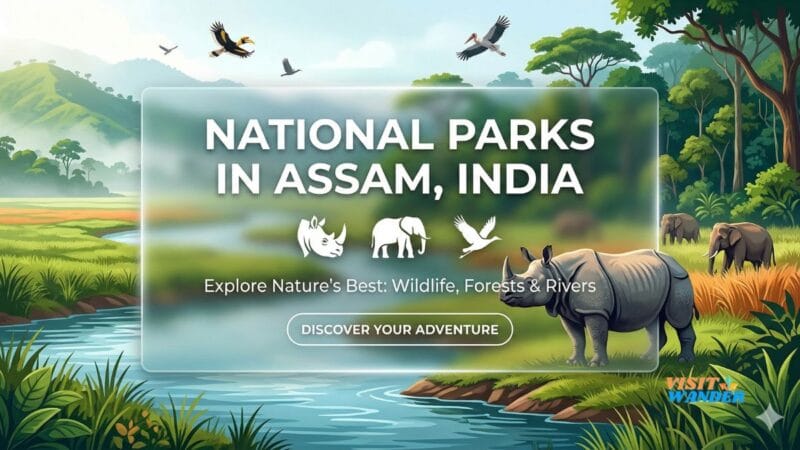
National Parks in Assam are a high-biodiversity haven for the Great One-Horned Rhinoceros, boasting some of the world’s highest tiger densities across their lush terrains. As you travel into Upper Assam, the landscape transforms into a primitive wilderness where modern infrastructure meets raw, untamed nature. Beyond the traditional jeep safari, luxury river cruises along the Brahmaputra offer a unique vantage point to witness these riverine sanctuaries in their purest form. This region remains an essential destination for travelers seeking the ultimate confluence of conservation and adventure in India’s Northeast.
Why Visit Majestic National Parks in Assam, India?
National Parks in Assam represent a breathtaking fusion of prehistoric wildlife and vibrant indigenous culture, drawing travelers from across the globe to India’s verdant Northeast. These protected landscapes offer a rare opportunity to witness the iconic one-horned rhinoceros roaming through vast alluvial grasslands and dense tropical forests. Beyond the thrill of a safari, visitors can immerse themselves in the deep-rooted traditions of local communities, making every journey both an ecological marvel and a soulful experience. From the mist-covered wetlands to the ancient woodlands, these sanctuaries stand as a testament to successful conservation and the raw, untamed beauty of the natural world.
Assam’s Biodiversity & Highlights also reflect the diverse ecology found in neighboring Arunachal Pradesh.
| Feature | Description |
| Species Diversity | Home to 25% of India’s bird species and the world’s largest population of Greater One-Horned Rhinos. |
| Expert Insight | “A true sanctuary where the rhythm of nature remains undisturbed, offering a rare glimpse into Earth’s prehistoric past.” |
| Top Attractions | UNESCO World Heritage sites, unique swamp forests, and vital elephant corridors. |
Discover the Majestic National Parks of Assam
A Glimpse into Assam’s Green Treasures
A captivating array of green treasures dots the expansive landscape of Northeast India, where the National Parks in Assam serve as the ultimate sanctuary for some of the planet’s most endangered wildlife. These protected floodplains and dense tropical forests offer a spectrum of natural beauty, ranging from the mystical wetlands of Tinsukia to the rolling hills of surrounding tea plantations. By preserving crucial riverine habitats, these parks ensure that majestic species like the one-horned rhinoceros and wild elephants continue to thrive in their ancestral homes. For any adventure seeker, venturing into these sprawling grasslands provides a deeply humbling encounter with nature’s resilience and splendor.
Kokrajhar District’s Ecological Highlights in Assam, not far from Guwahati.
- Primary Habitats: A diverse mix of floodplain grasslands, Salix swamp forests, and riverine ecosystems.
- Iconic Wildlife: Home to the world-renowned one-horned rhinoceros, Royal Bengal tigers, and Asiatic elephants.
- Strategic Locations: Key parks are situated across the Tinsukia district and the Brahmaputra river belt.
- Conservation Success: These “green treasures” represent a major victory in protecting species once on the brink of extinction.
The Biodiversity Haven in India’s Northeast
Assam’s lush landscapes thrive as a testament to the region’s incredible biodiversity, forming a critical part of the Eastern Himalayan hotspot. At the heart of this ecological marvel, the National Parks in Assam serve as an unparalleled sanctuary for enigmatic creatures like the clouded leopard, slow loris, and the majestic Great Indian Hornbill. From the UNESCO-protected corridors of Manas to the mystic depths of Dehing Patkai, these forest reserves protect intricate webs of life that are vital for balancing nature’s design against extinction threats. Whether you are exploring swampy wetlands or dense timberlands, this region offers a majestic peek into Mother Nature’s original blueprint for life.
Key Ecological Analysis
- Global Hotspot: These parks are a core component of the Eastern Himalayan biodiversity zone, harboring species found nowhere else on Earth.
- Vital Corridors: Manas and Raimona National Parks create a seamless wildlife bridge, essential for the migration of Bengal tigers and Asian elephants.
- Rare Fauna: The region is a documented stronghold for specialized species, including the Gangetic dolphin, capped langur, and the adjutant stork.
- Conservation Pillar: Beyond being tourist attractions, these forest reserves function as high-priority sanctuaries that maintain the delicate equilibrium of tropical ecosystems.
9 National Parks and Wildlife Sanctuaries in Assam You Can’t Miss
1. Kaziranga National Park – Home of the One-Horned Rhinoceros
As the world’s most iconic riverine ecosystems converge in India’s Northeast, the National Parks in Assam stand as a legendary sanctuary where the prehistoric one-horned rhinoceros and majestic Bengal tigers roam freely. Spanning the fertile floodplains of the Brahmaputra, these vast landscapes of tall elephant grass and dense tropical forests are not just tourist destinations but critical strongholds for global biodiversity. From the UNESCO-protected vistas of Kaziranga to the hidden rainforests of Dehing Patkai, this region offers an unparalleled encounter with the wild, where every safari trail leads deeper into a living masterpiece of conservation success.
The park’s global reputation is a direct result of legendary conservation success and rigorous wildlife management practices. Visitors exploring the various safari zones are often greeted by visually captivating landscapes where morning mists reveal grazing swamp deer and rare avian species. Whether embarking on a jeep safari or exploring an elephant reserve, the experience offers a profound connection to India’s natural wonders, making it an essential destination for photographers and wildlife enthusiasts alike.
Key Insights & Analysis
- Global Stronghold: Kaziranga is the definitive world capital for the Greater One-Horned Rhinoceros, hosting a massive percentage of the remaining global population.
- The “Big Four”: The park is uniquely famous for sustaining the “Big Four” of Indian wildlife: Rhinos, Tigers, Elephants, and Wild Water Buffalo.
- Strategic Geography: Its location along the Brahmaputra River creates a dynamic riverine ecosystem that is vital for both resident wildlife and migratory bird species.
- Eco-Tourism Hub: With organized safari zones and proximity to other sites like Deepor Beel, it serves as the primary anchor for wildlife tourism in Northeast India.
2. Manas National Park – World Heritage Site and Biosphere Reserve
Situated at the breathtaking foothills of the Eastern Himalayas, National Parks in Assam reach a peak of conservation excellence within the Manas landscape. This dual UNESCO World Heritage Site and Biosphere Reserve serves as a vital trans-boundary corridor, connecting India’s rich ecosystems with the Royal Manas National Park in Bhutan. As a key sanctuary under Project Tiger, Manas provides a pristine habitat where the tropical monsoon climate nurtures a high-biodiversity haven. For those seeking a primitive wilderness experience, the park offers a rare chance to encounter iconic species such as Bengal tigers, Asian elephants, and the majestic Great Indian Hornbill in their natural habitat.
The conservation ethos of Manas is further strengthened by its role in protecting rare, endemic wildlife found nowhere else on the planet, including the pygmy hog, hispid hare, and the charismatic golden langur. Beyond its lush semi-evergreen forests and sprawling alluvial grasslands, the park, much like the Sonai Rupai Wildlife Sanctuary, is a globally recognized paradise for ornithologists, sheltering the largest population of the endangered Bengal florican. Whether you are exploring the scenic riverine settings of the Chirang district or embarking on a thrilling wildlife safari, Manas offers an immersive journey into the heart of nature’s resilience, making it a premier destination for ecologists and adventure seekers alike.
Expert Insight & Ecological Impact
- Conservationist’s View: “Manas is a global exemplar of hope; its revival from the ‘In Danger’ list proves that collective community-focused conservation can restore even the most fragile ecosystems.”
- Global Importance: As a vital part of the Eastern Himalayan biodiversity hotspot, Manas maintains the ecological balance necessary to prevent the extinction of specialized species like the Assam roofed turtle.
- Ornithological Significance: With over 450 bird species recorded, it serves as a critical sanctuary for high-altitude migratory birds and vibrant residents like the giant hornbill.
3. Dibru-Saikhowa National Park – Wetlands and Unique Wildlife
3. Dibru-Saikhowa National Park – Wetlands and Unique Wildlife
Distinguished by its immense wetlands and a unique riverine habitat, Dibru-Saikhowa is a standout among the National Parks in Assam. Perched atop the dynamic floodplains of the Brahmaputra and Lohit Rivers, this pristine sanctuary is world-renowned for its elusive feral horses—the only population of its kind in India—and the graceful Gangetic river dolphins. With over 380 recorded bird species, including the rare white-winged wood duck, the park functions as a high-biodiversity haven for ornithologists and wildlife researchers seeking raw, untouched beauty.
The ecological tapestry of Dibru-Saikhowa is a masterclass in topographical diversity, blending lush semi-evergreen forests with the largest Salix swamp forest in Northeast India. For adventure seekers, the park offers a tranquil yet thrilling escape; instead of traditional jeep tracks, motorboat safaris navigate the serene “beels” and river channels to bring you face-to-face with nature’s resilience. Whether you are mesmerized by the sprawling grasslands of Upper Assam or the ancient, massive Kekjori trees, a visit here remains a deeply humbling encounter with the wild.
Researcher Insights & Authenticity
- Researcher Quote: “When a herd of these horses gallops across the green meadows with the Brahmaputra as a backdrop, few images can rival its raw beauty. It is an isolated fluvial ecosystem that tells a story of survival against the vagaries of the monsoon.”
- Eco-Tourist Anecdote: Visitors often describe the boat safari as a “floating wilderness experience,” where the silence is only broken by the distant call of the Bengal Florican or the splash of a dolphin.
- Conservation Note: Unlike other terrestrial parks, Dibru-Saikhowa is an island-like formation, making it a “genetic reservoir” for species adapted to seasonal floods and shifting riverbanks.
4. Nameri National Park – Birdwatcher’s Paradise
Nameri National Park is a recognized Important Bird Area (IBA) and a true ornithologist’s delight, often celebrated as a birdwatcher’s paradise due to its rich avian diversity. Located along the banks of the sparkling Jia Bhoroli River at the foothills of the Eastern Himalayas, this verdant sanctuary serves as a critical stronghold for the endangered White-winged Wood Duck, the state bird of Assam. The National Parks in Assam, including Bordoibam Bilmukh Bird Sanctuary, offer varied landscapes, but Nameri is unique for its “island-like” feel, where semi-evergreen forests and open grasslands create a high-biodiversity haven for over 374 bird species and iconic mammals like the Asian elephant and clouded leopard.
The park’s tranquil atmosphere and scenic beauty make it a compelling destination for those looking to disconnect and unwind in nature. Unlike the jeep-heavy safaris elsewhere, Nameri encourages intimate exploration through guided forest treks and serene canoe rides along the river, which serve as the lifeline of the ecosystem. Whether you are scanning the riverbanks for the elusive Ibisbill, listening for the ghostly call of the “Deo Hanh” (Spirit Duck), or experiencing river rafting, Nameri offers a deeply immersive encounter with the wild, cementing its status as a must-visit locale for nature enthusiasts and conservationists.
Ornithologist Insights & Wildlife Spot Visitor Experiences on wildlife safaris and encounters with butterflies.
- Expert Quote: “In Nameri, the question isn’t ‘Did you see a tiger?’ but ‘Did you see the duck?’ It is a rare sanctuary where a bird commands the same reverence as the big cats.” — Wildlife Researcher
- Visitor Testimonial: “Walking through the misty morning trails with the sound of the Jia Bhoroli in the distance is like music to the ears. It’s the only park where you truly feel like a part of the forest rather than just an observer.”
- Birding Highlight: Nameri is one of the few places in India where you can regularly spot the Ibisbill among the river’s shallow boulder-strewn stretches during the winter months.
5. Orang National Park – The Mini Kaziranga
Orang National Park, affectionately known as the “Mini Kaziranga,” mirrors the breathtaking landscape and diverse wildlife of its larger neighbor. Situated on the northern banks of the Brahmaputra River within the Darrang and Sonitpur districts, this park is a unique stronghold for the prehistoric one-horned rhinoceros. Among the National Parks in Assam, Orang stands out for its intimate size, offering visitors a highly accessible environment where sightings of Bengal tigers, Asiatic elephants, and the rare pygmy hog are remarkably frequent amidst a picturesque blend of marshes and grasslands.
Despite its compact 79 sq. km area, Orang’s conservation success story is a testament to effective, community-driven management. The park’s status as a high-biodiversity haven is reinforced by its role as a critical tiger reserve under Project Tiger, ensuring a safe corridor for the Royal Bengal Tiger. For those seeking an undisturbed wildlife experience, Orang provides a tranquil alternative to busier sanctuaries. Whether you are navigating its fixed safari circuits or photographing migratory waterfowl, Orang promises a peaceful yet enriching encounter with the raw, resilient heart of nature.
Conservation Insights & Expert Perspectives
- Conservationist Insight: “The wetlands of Orang are a vital stronghold for rhinos, thriving with an abundance of food due to smart habitat management and the control of invasive species.” — Dr. Bibhab Talukdar, IRF
- Ranger Perspective: Protecting this “miniature masterpiece” requires a balance between managing the geomorphological influence of the Brahmaputra and the biotic pressures from the 400+ villages surrounding its borders.
- Visitor Highlight: Unlike the vast expanses of Kaziranga, the proximity of wildlife in Orang makes it a “living laboratory” where every jeep safari feels like an intimate journey into the wild.
6. Raimona National Park – Newest Addition to Assam’s Natural Jewel
As a radiant new addition to the state’s roster of protected areas, Raimona National Park shines as a promising ecological jewel within the Bodoland Territorial Region. Among the National Parks in Assam, Raimona is strategically positioned to bolster habitat connectivity, serving as a critical bridge within the Trans-boundary Manas Conservation Area. This recently designated sanctuary is a high-biodiversity haven characterized by vibrant deciduous and bamboo forests, offering a vital refuge for iconic species like the Asian elephant, the charismatic golden langur, and the elusive clouded leopard.
Raimona presents a pristine destination for explorers yearning to experience untamed nature in its most raw and unscripted form. Its burgeoning conservation landscape is a budding hotspot for birdwatchers, where rare sightings of the black-crested bulbul and the great hornbill are becoming increasingly common. By protecting these ancient forest corridors, Raimona ensures a seamless transition for wildlife moving across the Indo-Bhutan border. For those eager to witness the dawn of a new era in wildlife preservation, this park offers the dual thrill of discovery and the profound serenity of an unspoiled wilderness.
Expert Authority & Connectivity Insights
- Official Perspective: “The creation of Raimona is a historic step for the BTR; it not only secures the future of the Golden Langur but also revitalizes the ancient elephant corridors that link the Himalayas to the plains.” — Forest Department Official
- Conservationist Quote: “Raimona acts as the ‘western gateway’ to the Manas Biosphere Reserve. Its protection is a victory for landscape-level conservation, ensuring that large mammals have the space they need to roam safely.”
- Discovery Potential: As a newly opened park, researchers are frequently documenting new butterfly and orchid species, making it a “living laboratory” for modern biologists.
7. Dehing Patkai – The Amazon of the East
Nicknamed the “Amazon of the East,” Dehing Patkai is a lush tropical rainforest that serves as a premier high-biodiversity haven in India’s Northeast. As one of the most vital National Parks in Assam, it protects the largest stretch of lowland rainforest in the country, characterized by a multi-layered canopy of towering Hollong and Mekai trees. Receiving over 4,000 mm of annual rainfall, this wet evergreen ecosystem provides a critical sanctuary for the endangered Western Hoolock Gibbon and is the only forest in the world housing seven distinct species of wild cats.
Spanning the Dibrugarh and Tinsukia districts, the park is a primitive wilderness where winding streams and dense timberlands create a majestic haven for over 310 butterfly species and rare avifauna like the white-winged wood duck. Beyond its ecological marvels, Dehing Patkai holds immense cultural significance, as it is home to diverse indigenous communities who have lived in harmony with the rainforest for generations. For nature enthusiasts and adventure seekers, exploring this verdant jewel offers a deeply enriching encounter with one of Earth’s most complex and resilient natural blueprints.
Ecological Data & Expert Insights
- Size & Rain: The park covers 231.65 sq. km of pristine rainforest, sustaining life with some of the highest rainfall levels in India (4,000+ mm annually).
- Expert Quote: “Dehing Patkai is not just a forest; it is a climate regulator for Upper Assam and a vital bridge for wildlife moving toward the Indo-Burma biodiversity hotspot.” — Local Conservationist
- Conservation Milestone: Upgraded to a National Park in June 2021, this designation strictly prohibits industrial activities like mining, ensuring the survival of its endemic flora and fauna.
- Research Value: Often called a “living laboratory,” the park is a top destination for scientists studying tropical ecology and the impacts of climate resilience in the Northeast.
8. Sikhna Jwhwlao National Park: The newest national park in Assam
Establishing a new frontier for wildlife preservation, Sikhna Jwhwlao National Park stands as the latest addition to the diverse National Parks in Assam. Recently notified within the Bodoland Territorial Region (BTR), this park represents a significant stride in safeguarding the region’s unique ecological heritage. Characterized by a lush blend of mixed evergreen and deciduous forests, the sanctuary serves as a pivotal biodiversity corridor, providing essential habitats for Asiatic elephants, various deer species, and a vibrant array of avian life.
As a nascent ecological treasure, Sikhna Jwhwlao offers a fresh and undiscovered frontier for conservationists and eco-tourists alike. The park’s designation strengthens the state’s conservation network by protecting vital forest patches that were previously fragmented. For those seeking to witness conservation efforts in action, this “green highlight” promises an enriching experience amidst untouched natural terrains. Whether you are a dedicated wildlife enthusiast or a curious traveler, Sikhna Jwhwlao invites you to explore the very beginning of its journey as a world-class sanctuary.
Official Insights & Future Potential
- Conservationist Quote: “The notification of Sikhna Jwhwlao is more than just a legal status; it is a commitment to restoring the ancient migratory routes of elephants in the Ripu-Chirang landscape.”
- Authority Insight: Local BTR officials emphasize that the park will integrate community-based tourism, ensuring that the protection of these “nascent treasures” also benefits the indigenous people living on the fringes.
- Connectivity: Strategically located, the park forms a vital link between established reserves, ensuring genetic flow and preventing the isolation of wildlife populations in the westernmost part of the state.
9. Hollongapar Gibbon Sanctuary – Primate Diversity Hub
Hollongapar Gibbon Wildlife Sanctuary stands as a globally unique primate diversity hub, distinguished as the only protected area in India named after its flagship resident—the Hoolock Gibbon. Nestled within the Jorhat district, this isolated “forest island” represents one of the final remains of the once-vast lowland evergreen forests of Upper Assam. Among the National Parks in Assam and its sanctuaries, Hollongapar is peerless for housing all seven species of primates found in the state within a compact 21 sq. km area. The multilayered canopy, dominated by majestic Hollong and Nahar trees, creates a vertical world where India’s only ape species thrives alongside the region’s only nocturnal primate, the Bengal Slow Loris.
Despite its ecological richness, the sanctuary faces modern challenges, most notably the historic railway track that fragments the forest and the recent discussions surrounding oil exploration in its eco-sensitive zone. For visitors and researchers, Hollongapar offers an intimate, pedestrian-only experience; here, you explore on foot through guided treks, listening for the haunting, melodious duets of gibbons that echo through the misty morning air. It remains a critical sanctuary for the endangered Western Hoolock Gibbon, serving as both a “living laboratory” for primatologists and a serene retreat for travelers seeking to witness nature’s most acrobatic inhabitants in their natural home.
Expert Insights & Connectivity Challenges
- Primatologist Quote: “Hollongapar is a ‘genetic ark’ for India’s primates. Every acre here is packed with more primate biodiversity than almost anywhere else in Asia, making its protection non-negotiable for global science.”
- Fragmentation Note: A major conservation focus is the installation of artificial canopy bridges to help gibbons cross the railway tracks that divide the sanctuary, preventing genetic isolation.
- Ecological Milestone: The sanctuary is surrounded by historic tea gardens, which, while scenic, create a “forest island” effect, emphasizing the need for restored wildlife corridors to the nearby Patkai foothills.
Best Time to Experience National Parks in Assam
Best Time to Visit National Parks of Assam for a Perfect Wildlife Safari
To experience the true majesty of the National Parks in Assam, timing is everything. The optimal window for a wildlife safari is from November to April, when the receding monsoon leaves behind a refreshed landscape and the dry winter months begin. During this period, the dense elephant grass is often managed or naturally thins out, providing unparalleled visibility for spotting the iconic one-horned rhinoceros and the elusive Bengal tiger. As water sources inside the parks shrink, wildlife congregates around the “beels” (wetlands), creating high-density viewing opportunities that are a dream for photographers and nature enthusiasts alike.
This season also marks the arrival of thousands of migratory birds from Siberia and the Himalayas, transforming the sky into a vibrant canvas. While Upper Assam districts like Tinsukia and Jorhat remain lush, the clear skies and temperate climate provide the perfect “infrastructure” for comfortable jeep and elephant safaris. Conversely, the monsoon season, spanning the months from July to October, brings heavy rainfall and flooding from the Brahmaputra, leading to the temporary closure of most parks for safety and conservation. Planning your journey during the dry season ensures you witness the pinnacle of Assam’s biodiversity in its most accessible and rewarding form.
Seasonal Climate & Safari Accessibility
| Month | Avg. Temp (°C) | Rainfall (mm) | Safari Status & Wildlife Visibility |
| Nov – Feb | 10°C – 24°C | Low | Peak Season: Best visibility; migratory birds arrive; pleasant weather. |
| Mar – Apr | 18°C – 30°C | Moderate | High Activity: Best for tiger sightings; orchids in bloom; slightly warmer. |
| May – Jun | 25°C – 35°C | High | Pre-Monsoon: Humid; parks begin closing; wildlife retreats to deep shade. |
| Jul – Oct | 26°C – 33°C | Very High | Closed: Monsoon floods; heavy rains; parks are inaccessible for safaris. |
Expert Insights & Traveler Experiences
- Naturalist Insight: “The magic of Assam’s parks in January is unmatched. The ‘Deo Hanh’ (Spirit Duck) and the Great Hornbill are most active, and the cool morning mist over the wetlands makes for the most dramatic wildlife photography.” — Wildlife Researcher
- Visitor Testimonial: “We visited Kaziranga in early March. Not only did we see thirteen rhinos, but the thinning grass made it so easy to spot a mother tiger with her cubs near a waterhole. It was an unforgettable sight!”
- Regional Tip: For those visiting the Hollongapar Gibbon Sanctuary in Jorhat, the winter mornings are the best time to hear the melodious duets of the Hoolock Gibbons as they begin their day in the canopy.
Key Highlights for Your Itinerary
- Safari Hubs: Focus on the Golaghat, Nagaon, and Barpeta districts for major UNESCO sites.
- Birding Hotspots: Nameri and Dibru-Saikhowa are must-visits during the winter migratory peak.
- New Frontiers: Explore the recently designated Sikhna Jwhwlao and Raimona in the Bodoland Territorial Region for a less crowded, raw wilderness experience.
Travel Tips for a Wildlife Adventure in Important National Parks in Assam
When planning your wildlife adventure in the national parks of Assam, keeping a few travel tips for the traveller in mind can enhance your traveller experience:
- Plan Ahead: Check the park’s opening dates, hours, and any specific visitor requirements to ensure a smooth visit. Book accommodations and safari tours well in advance, especially during the peak season from November to April.
- Hiring Guides: Engage a knowledgeable local guide who can enrich your wildlife safari with insights about the park’s flora and fauna while ensuring your safety.
- What to Wear and Pack: Wear earthy-tone clothing to blend in with the environment, along with comfortable walking shoes. Don’t forget essentials like binoculars, a camera, a wide-brim hat, sunscreen, and insect repellent.
- Respect Nature: Follow all park regulations, maintain a safe distance from the wildlife, and avoid littering to preserve the natural ecosystem. Silence and patience are key to wildlife viewing.
- Health and Comfort: Carry your own snacks and water, as facilities may be limited within parks. Also, take necessary precautions like vaccinations and a basic first-aid kit.
Implementing these tips will help maximize your chances of a successful, safe, and enjoyable wildlife safari adventure, as well as wildlife trekking, in Assam’s stunning national parks.
Choosing the Right National Parks and Wildlife Sanctuary in Assam for Your Trip
Choosing the right national parks and wildlife sanctuaries in Assam depends on your specific interests and what you wish to experience. Here’s how you can decide:
- For Rhino Enthusiasts: Kaziranga National Park is the unparalleled choice, boasting the highest concentration of one-horned rhinoceroses. Additionally, the nearby Pobitora Wildlife Sanctuary offers a smaller but equally spectacular setting for rhino sightings.
- Birdwatchers’ Delight: If avian diversity excites you, head to Nameri National Park, where birdwatching opportunities abound with a plethora of exotic species.
- Primate Observation: Hollongapar Gibbon Sanctuary is ideal for those captivated by primates, offering close encounters with hoolock gibbons and other monkey species, including the rare Assamese macaque often seen in the forests.
- Floral and Faunal Diversity: Manas National Park not only offers diverse wildlife, including tigers and elephants but also presents scenic landscapes and riverine beauty for those seeking a comprehensive nature experience.
- For Serene Wetlands: Dibru-Saikhowa National Park provides an engaging journey into lush wetlands, perfect for boating and observing unique wildlife like river dolphins.
- Off-the-Beaten-Path Exploration: Raimona and Sikhna Jwhwlao National Parks deliver fresh landscapes to explore for those interested in untouched nature and new adventures. Moreover, the Garampani Wildlife Sanctuary in Karbi Anglong offers an experience of untouched wilderness.
- Haven for Nature Lovers: Chakrashila Wildlife Sanctuary, the newest addition, provides breathtaking views and unique species, enhancing the rich tapestry of Assam’s nature offerings.
Consider what fascinates you most about wildlife and nature, and plan your visit around parks that align with those interests. Each park and sanctuary offers distinct experiences, and aligning your preferences with their unique offerings ensures a fulfilling trip. Whether it’s iconic species, diverse ecosystems, or simply the tranquility of verdant landscapes, Assam’s parks have something special to offer every nature lover.
While the verdant wetlands and rainforests of the Northeast offer a sanctuary for the one-horned rhino, India’s diverse wilderness extends far to the west with equally iconic species. For travelers looking to expand their wildlife circuit beyond the borders of Assam, exploring the rugged teak forests of Gir National Park in Gujarat provides a rare opportunity to witness the majestic Asiatic lion in its only natural habitat. Integrating a visit to both these regions allows nature enthusiasts to experience the incredible contrast between the humid riverine ecosystems of the Brahmaputra and the dry deciduous landscapes of western India.
(FAQs) About National Parks in Assam
How many national parks are there in Assam at present?
As of now, Assam boasts seven national parks, offering a diverse array of ecosystems and wildlife to explore, making it a perfect tourist destination for any nature festival.
Which are the famous national parks in Assam?
The famous national parks in Assam include Kaziranga, Manas, and Nameri. These parks are celebrated for their rich biodiversity, iconic wildlife species like the one-horned rhinoceros, and stunning natural landscapes.
What animals can I see at Kaziranga National Park?
At Kaziranga National Park, a popular destination for Kaziranga National Park tourism and often referred to as the Kaziranga Wildlife Sanctuary, you can witness the majestic one-horned rhinoceros, along with other wildlife such as elephants, the royal Bengal tiger, Red Panda, and Indian tigers, as well as wild water buffalo and a variety of bird species, offering a rich and diverse wildlife viewing experience at the Kaziranga Wildlife Sanctuary.
Conclusion: Why These Majestic National Parks in Assam are a Must-Visit
Assam’s national parks stand as global treasures of unparalleled natural beauty, offering a vital refuge for some of the planet’s most iconic species. From the prehistoric one-horned rhinoceros to the elusive clouded leopard, these National Parks in Assam safeguard life within a complex tapestry of lush rainforests and expansive alluvial grasslands. A visit to these sanctuaries is more than just a wildlife encounter; it is an immersive journey into a high-biodiversity haven where every trail supports critical conservation efforts. Whether you are navigating the “Amazon of the East” in Dehing Patkai or the serene wetlands of Dibru-Saikhowa, these landscapes offer a profound connection to the wild, ensuring that India’s ecological heritage remains vibrant for generations to come.
In the heart of Assam’s wild, every footprint tells a story of survival and every breath connects you to the soul of the earth.