


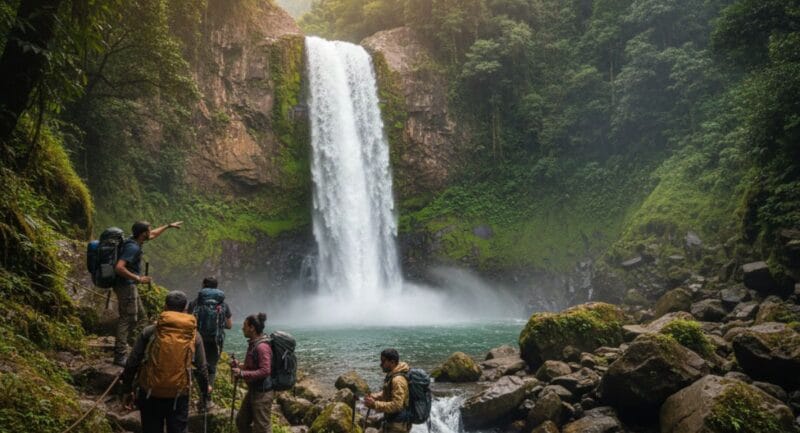
Monsoon Spirit with a thrilling Trekking Expedition into the heart of God Valley! This adventure centers around the majestic Kalu Waterfall, promising one of the region’s most rewarding jungle treks. Prepare to navigate the challenging, yet beautiful, terrain as you seek the spectacular waterfall base trek. Before setting out, be sure to check the latest Kalu waterfall trek update and confirm the current trek batches on Google Maps for precise location and timing. Understanding the waterfall trek difficulty level is crucial; while the waterfall trek distance presents a moderate challenge, the overall trekking opportunities within the Gods Valley Trek are unparalleled.
Kalu Waterfall Trek: God Valley Adventure – Key Information
| Feature | Detail | Notes |
| Location | Malshej Ghat region, Thane district, Maharashtra | Part of the picturesque God Valley, Pune. |
| Waterfall Origin | Kalu River | Forms a mesmerizing cascade. |
| Waterfall Height | Approximately 120 meters (or 1200 ft/3973 ft according to some sources) | A spectacular, multi-stage cascade offering a visual treat. |
| Trek Type | Nature trail / Jungle Trek / Waterfall Base Trek | Offers an element of adventure, traversing dense forests and rugged landscapes. |
| Trek Difficulty Level | Easy to Moderate | Generally considered suitable for beginners with basic fitness. |
| Trek Distance | Varies by route: Around 2 km (one-way) or 6 km (one-way) to the base. | A short trek, adding adventure to the journey. |
| Best Time to Visit | Monsoon Season (June – October) | The rainfall heightens the natural beauty, creating a strong monsoon spirit. |
| Distance from Mumbai | ~122 km to 143 km | An ideal getaway from the urban hustle. |
| Accessibility | Easily accessible via a short trek. | Public transport options are available to the base villages (e.g., Tithabi or Sawarne). |
| Trekking Opportunities | Gods Valley Trek, River Crossing, Multiple Waterfalls, Panoramic Views. | The trek route is sometimes referred to as the Old Malshej Ghat route. |
| Essential Pre-check | Weather conditions and Kalu waterfall trek update | Crucial for safety due to the risk of rising water levels. |
| Organized Treks | Trek Batches frequently run during the monsoon season. | Check Google Maps or trek organizers for specific pick-up points and schedules. |
Kalu Waterfall Trek Overview
What Makes Kalu Waterfall Special?
Imagine standing before a majestic cascade that seems painted by nature itself. Kalu Waterfall, nestled in Maharashtra’s God Valley, is not just a trek but an awe-inspiring adventure, especially during the monsoon season. Accessible through a thrilling jungle trail, it captivates with its lush surroundings and tranquil ambiance. The sight of water thundering into the valley below creates an unforgettable scene as the Kalu River flows, leaving a lasting impression. This natural marvel is a drawn canvas of serenity and power, making it an essential destination for trekking enthusiasts seeking an exhilarating forest waterfall trek.
Kalu Waterfall isn’t a simple tourist spot; it’s a test you take to meet the Sahyadris at their wildest. The climb is challenging, the trail is raw, but the sound of that mighty cascade thundering into the God Valley is a feeling—a primal rush—that you will not find in any city. If you want to see the true monsoon spirit of Maharashtra, this is your pilgrimage.
The Majestic Kalu Waterfall: Location and Overview
Kalu Waterfall is nestled in the scenic Sahyadri mountain range, approximately 100 kilometers from Mumbai and 150 kilometers from Pune. It’s a part of the Malshej Ghat area, renowned for its lush greenery, misty air, and the vast biodiversity of the Western Ghats. As you trek through this region, you are enveloped by the lush forest canopy, vibrant hues of flora, and cool mountain breezes.
The waterfall itself cascades down from a height of about 120 meters, creating a white mist as it splashes into the rock pools below. This waterfall is particularly striking during the monsoon season, when the increased water flow transforms it into a roaring spectacle. Whether you’re seeking a thrilling hiking experience or a peaceful retreat amidst nature, Kalu Waterfall offers an unforgettable encounter with the raw beauty of the natural world.
1. Route from Mumbai
- Distance: 170 km
- Estimated Duration: 4 hours, 31 minutes
- Key Highway: NH 548A
- Route Summary: The route is primarily via NH 548A. Traffic conditions are reported as the same as usual, with a medium delay level.
- View Directions on Map
2. Route from Pune
- Distance: 125 km
- Estimated Duration: 3 hours, 6 minutes
- Key Highway: NH60
- Route Summary: The route is mainly via NH60. Traffic conditions are reported as the same as usual, with a medium delay level.
- View Directions on Map
Kalu Waterfall Trek Details
The Kalu Waterfall Trek is an enriching hike, designed for those who relish the touch of wild nature. Spanning around 6 kilometers, this trek is moderately challenging, making it ideal for both novice trekkers and those more experienced. The route meanders through dense forests and undulating terrain, offering a combination of gentle paths and steeper inclines. Along the way, trekkers need to be prepared for river crossings, which add an element of thrill to the journey. Bringing waterproof bags is essential for protecting personal items during these crossings in the waterfall trek package.
Trekking to Kalu Waterfall typically takes about 3 to 4 hours each way. Along the journey, you will be greeted by panoramic vistas of verdant valleys and the occasional glimpse of local wildlife, adding enchantment to your adventure. Hikers often praise the diverse plant species they encounter, making the trek a botanical wonderland.
Starting early in the morning is advisable to avoid the midday heat, as well as to make the most of the day exploring this beautiful area. Coordination is crucial, so a WhatsApp group will be formed to ensure everyone stays informed about the trek details, including the pickup point and expected return trek times.
Trek Completion Statistics by Season
To help potential trekkers better assess the waterfall trek difficulty level and conditions, here are the average statistics for the Kalu Waterfall trek, which runs through the “Gods Valley” route.
| Statistic | Monsoon (July – Sept) – Peak Season | Post-Monsoon (Oct – Nov) – Stable Season |
| Average One-Way Duration | 3.5 to 4.5 hours | 2.5 to 3.5 hours |
| Average Round Trip Duration (Trek Only) | 6 to 9 hours (with breaks) | 5 to 7 hours (with breaks) |
| Success Rate to the Base | Moderate to High (Requires rope/zipline for the final river crossing on heavy rain days, as the route is sometimes submerged.) | Very High (Less water flow makes the river crossing much easier and safer.) |
| Primary Challenge | Slippery trails, heavy mud, strong river currents, and dense mist/fog. | Cooler temperatures, dry trails, and stable walking surfaces. |
| Trekker Endurance | Medium to High | Medium |
Trek Highlights: Kalu Waterfall at a Glance
- Trek Distance (One-Way): Approx. 6 km.
- Note: This is the typical distance for the waterfall base trek from the nearest access village (e.g., Savarne/Tithabi).
- Trek Duration (One-Way): 3 – 4.5 hours.
- Note: Duration depends heavily on the season and trail conditions (muddy/slippery in the monsoon).
- Trek Difficulty Level: Moderate.
- Note: Suitable for beginners with moderate fitness. Challenges include river crossings and slippery terrain.
- Waterfall Height (Unchai): Approx. 120 meters (400 ft).
- Note: The sheer drop is a spectacular sight, especially in the monsoon spirit.
- Trek Elevation Gain: Moderate (Specific figure varies).
- Note: The terrain is undulating, featuring both gentle paths and steeper inclines through the jungle treks.
- Base Elevation: Approx. 700-800 meters (2,300-2,600 ft) above sea level (estimated).
- Note: While not an extreme trek height, the scenic location in the Western Ghats provides expansive views.
- Core Attraction: Majestic Kalu Waterfall, River Crossings, Rich Biodiversity, Panoramic Vistas of the Gods Valley Trek.
- Note: This offers excellent trekking opportunities for nature and photography enthusiasts.
How to Reach the Kalu Waterfall Treks
From Mumbai: Travel Routes and Transit Options
Traveling to Kalu Waterfall from Mumbai can be both convenient and scenic. There are multiple transit options to suit varying preferences, ensuring your journey is pleasant and stress-free.
- By Road: The most popular route is via the Mumbai-Pune Expressway and NH222, leading you through picturesque countryside and scenic ghats. This driving route takes approximately 3 to 4 hours, depending on traffic conditions. Renting a car or hiring a cab is common among those seeking flexibility and comfort.
- By Train: For those preferring rail travel, catch a train from Mumbai to Kalyan. From Kalyan, local transportation like buses and taxis can be availed to reach the base village near the waterfall.
- By Bus: Several private and state-run buses ply between Mumbai and the towns near God Valley. For a more comfortable experience, consider using the Mumbai pickup options with private AC buses that offer overnight travel departing from Borivali. This convenient option ensures you reach your destination well-rested.
The route typically follows the Mumbai-Nashik Highway (NH 3) before branching off towards the Malshej Ghat Road, offering travelers scenic views of the countryside along the way.
Each method offers a unique view of Maharashtra’s landscapes, making the journey as delightful as the destination.
Pune to Kalu Waterfall: Transportation Methods in Maharashtra
Traveling from Pune to Kalu Waterfall opens up an array of transportation choices that cater to different needs and schedules, ensuring a seamless travel experience. Visiting Khireshwar village along the way can offer a scenic detour that trekking enthusiasts shouldn’t miss.
- By Car: The most direct route involves taking NH60 followed by NH222. This drive is approximately 150 kilometers and offers stunning views of the Western Ghats. Renting a car allows you the comfort and flexibility to explore at your own pace, making spontaneous stops at scenic spots. Be mindful of potential roadblocks, especially during monsoon season.
- By Train: You can opt to take a train from Pune to Kalyan, such as the Pune-Mumbai train services. Upon arriving at Kalyan, switch to local buses or hire a cab for the final stretch to the base of the waterfall. This option combines the speed of rail with local transportation, offering a dynamic travel experience.
- By Bus: State-run and private buses frequently travel from Pune to towns close to Kalu Waterfall from where you can navigate by local transport. It’s a cost-effective option, though the journey time can vary based on traffic and bus schedules.
For communication and coordination, a WhatsApp group will be formed to ensure you receive updated travel advice. Whichever mode you choose, the journey is enhanced by the beautiful landscapes and vibrant local culture.
Booking and Cost: Avail Your Kalu Waterfall Trek Planning
How to Book Your Kalu Waterfall Expedition
Booking your Kalu Waterfall expedition is straightforward, with multiple options catering to different preferences and budgets.
- Online Platforms: Several travel websites offer comprehensive packages that include guides, transportation, and sometimes meals. These platforms often provide customer reviews and ratings, helping you make an informed decision. Ensure to review their cancellation policy as it could vary from platform to platform.
- Tour Operators: Local tour operators specialize in organizing treks in the region. They offer personalized itineraries based on your group size and interests, ensuring a more customized experience. Coordination is crucial, so operators often create communication channels such as WhatsApp groups for seamless interaction. You can contact them directly via phone or email to discuss your needs.
- App-Based Services: Downloading apps specific to trekking and adventure travel can also be useful. These apps allow you to book easily and provide instant confirmations, making last-minute planning viable.
When booking, consider the inclusions provided, such as guides, permits, and emergency contacts. Review the cancellation policy to avoid any surprises.
Cost Breakdown and Inclusions for the Kalu Waterfall Trip
Understanding the cost and inclusions of your Kalu Waterfall trip helps in efficient budgeting and planning. While prices may vary depending on the package and season, here’s a general breakdown you can expect:
- Transportation Costs: Travel from major cities like Mumbai or Pune to the waterfall usually ranges. This may vary whether you choose public transport, hire a cab, or rent a car.
- Guide Fees: Hiring a local guide costs an additional charges, which often includes their expertise and knowledge of the trail and safety practices.
- Accommodation: If your trek spans multiple days, budget for local guesthouses or camping rentals. Some packages include basic lodging.
- Permits and Entry Fees: These are nominal and vary based on the trek region’s regulatory requirements.
- Food and Refreshments: Some packages include meals, but personal expenses for food in local dhabas or buying refreshments along the way are expected.
Essential Travel Preparation for Kalu Waterfall
Best Time to Visit the Kalu Waterfall
The ideal time to visit the Kalu Waterfall is during the monsoon season, from June to September. During these months, the waterfall is at its most spectacular, with the water gushing over rocks, creating a breathtaking scene amidst lush greenery. The surrounding forest comes alive with vibrant flora and fauna, offering an immersive natural experience. For those who prefer a milder trek, post-monsoon months—October to November—are equally rewarding as the landscape remains verdant, and the weather is cooler. Springtime, from February to March, also provides a pleasant atmosphere for trekking but might not offer the same dramatic water flow.
Selecting the Best Time to Trek to Kalu Waterfall
Choosing the perfect period for your Trekking Expedition is vital to maximize the enjoyment of the Gods Valley Trek. The ideal timing hinges on whether you seek the ultimate visual spectacle or prefer a more comfortable and stable hike.
| Season | Months | Experience Highlights | Challenges & Notes |
| Monsoon | June to September | Witness the Kalu Waterfall in its full splendor, with the cascade thundering down. The entire landscape is a vibrant, lush green, epitomizing the monsoon spirit. | Slippery trail requires extra caution and appropriate gear. Water flow can be intense, so check the Kalu waterfall trek update beforehand. |
| Post-Monsoon/Winter | October to February | Enjoy cooler, more stable weather conditions, offering a comfortable and serene waterfall base trek. Clear skies provide excellent photography opportunities. | Water flow diminishes slightly compared to the monsoon peak. |
| Pre-Monsoon | March to May | Not the most common trekking season. | Can be quite hot, and the waterfall flow will be significantly reduced. |
Kalu Waterfall Trek Difficulty and Requirements
The Kalu Waterfall Trek is categorized as moderately challenging, suitable for both beginners with a decent fitness level and seasoned trekkers seeking a stimulating adventure. Here’s what you need to know about the trek’s difficulty and requirements:
- Trail Terrain: The 6-kilometer trail includes a mix of leveled paths, rocky surfaces, and some steep inclines. The terrain requires sure-footedness and a cautious approach, especially during the monsoon when paths can be slippery.
- Fitness Level: Basic physical fitness is essential. Regular cardiovascular and strength exercises in preparation can significantly enhance your trekking experience and endurance on the trail.
- Equipment Required: Sturdy trekking shoes with good grip, a raincoat, and a trekking pole for balance are recommended.
- Guidance: While it’s possible to navigate the trail solo, hiring a local guide is advisable, particularly for first-timers, to ensure safety and enjoy anecdotes about the area’s history and natural features.
- Permits and Entry: Check with local authorities for any required permits to ensure a hassle-free experience.
Packing Essentials: What to Carry for a Safe and Comfortable Trek
Packing wisely for the Kalu Waterfall Trek ensures not only your safety but also a comfortable journey. Here’s a comprehensive list of essentials you’ll need:
- Clothing: Choose quick-dry and layered clothing. Carry a light waterproof jacket, especially if trekking in monsoon months, and consider using a poncho water protector for added comfort. To ensure protection for your valuables, avoid carrying any ornaments or jewellery. Bring an extra set of clothes in waterproof packing.
- Footwear: Invest in sturdy, waterproof trekking shoes with a robust grip to handle slippery and uneven terrains, providing protection against unexpected thorny paths.
- Backpack: A comfortable backpack with good support and compartments for easy organization.
- Water and Snacks: Keep hydrated with at least two liters of water. Energy bars and dry fruits are perfect for quick nourishment on the go. For breakfast, packing some poha can be a nourishing and lightweight option.
- Safety Gear: Include a basic first aid kit, a whistle, and a flashlight with extra batteries for emergencies.
- Navigation Tools: Though guides are available, carrying a map or a GPS device can be helpful.
- Others: A sun hat, sunglasses, sunscreen, and insect repellent enhance comfort and protection during the trek, safeguarding you from insects along the way.
By packing efficiently, you ensure both safety and convenience, allowing you to fully immerse in the beauty of the trek.
Itinerary: Planning Your Kalu Waterfall Trek
Preparing for Your Kalu Waterfall Trek
Preparing for your Kalu Waterfall trek is a key step to ensuring a rewarding and trouble-free adventure. Here’s how to get ready:
- Fitness Regimen: Start a fitness routine a few weeks prior, focusing on cardiovascular workouts like walking, jogging, or cycling, coupled with strength exercises to build endurance and muscle support for your legs and core.
- Research the Route: Familiarize yourself with the trek route using maps or GPS applications. Understanding the trail’s layout can help plan your trekking pace and identify key stop points for rest or photos.
- Pre-Trek Health Check: Consult a doctor to ensure you’re in good health, especially if you have any underlying health conditions. Make sure your vaccinations are updated if advised by local health authorities.
- Packing Strategy: Organize your gear well in advance. Ensure each essential item is included, focusing on weight management so your backpack isn’t too cumbersome.
- Stay Informed: Check the weather forecasts leading up to your trek to prepare appropriately for weather conditions. Staying informed ensures you’re well-equipped and mentally prepared.
- Knowledge about the Locale: Gain insights into the local culture and traditions, which can enhance your experience and make interactions more meaningful.
Embarking on the trek fully preparedwill help maximize the enjoyment and ensure you tackle any challenges on the trail efficiently.
Selecting the Best Time to Trek
Choosing the right time for your trek to Kalu Waterfall can significantly enhance your experience. Here’s a guide to help you pick the best timing:
- Monsoon Season (June to September): This is when Kalu Waterfall is at its most spectacular, with robust water flow creating a mesmerizing scene. The surrounding greenery is lush, making it an ideal time for photography. Keep in mind that trails can be slippery, so extra caution and preparation are needed.
- Post-Monsoon (October to November): These months provide a perfect balance, with trails that are less muddy and weather that’s cooler and more comfortable. The area remains vibrant with post-rainfall greenery, offering breathtaking views without the heavy downpours.
- Winter (December to February): While the waterfall’s flow might reduce slightly, the cooler temperatures make for a pleasant trekking climate. These months also offer clear skies, ideal for those who prefer a more predictable weather pattern.
- Spring (March to May): Though the waterfall’s intensity decreases, the climate is still favorable for trekking. It’s a great time for exploring the biodiversity of the region without the peak of crowds.
Each time of year offers unique experiences, so decide based on your weather preferences and the typeof experience you aim to capture.
Gear and Essentials for the Trek
Equipping yourself with the right gear is crucial for a safe and enjoyable trek to Kalu Waterfall. Here’s a breakdown of essentials to ensure you’re well-prepared:
- Footwear: Invest in quality trekking shoes with strong ankle support and durable soles to manage rocky and wet terrains efficiently.
- Backpack: A sturdy, ergonomic backpack with a 20-30 liter capacity is ideal. Look for one with multiple compartments to organize gear easily.
- Clothing: Opt for breathable, quick-drying clothes. Layering is key, so consider moisture-wicking base layers, a warm middle layer, and a light waterproof jacket for unpredictable weather.
- Navigation Tools: Carry a map, compass, or GPS device. These tools ensure you stay on track, especially if unexpected weather conditions arise.
- Hydration and Nutrition: A hydration system or water bottles to ensure a constant water supply, energy bars, and trail mix for quick, sustained energy boosts.
- Safety Equipment: A basic first aid kit, multi-tool, whistle, torch with extra batteries, and emergency blanket should be part of your safety gear.
- Additional Items: Sun protection essentials like sunglasses, sunscreen, and a hat, along with insect repellent,are essential for protection against the elements. A lightweight rain cover or poncho can also be useful to stay dry during sudden rain showers.
Properly equipping yourself can significantly enhance your trekking experience, ensuring you are comfortable and prepared for changing conditions.
Navigating the Trek Route
Successfully navigating the Kalu Waterfall trek demands a combination of preparation, awareness, and proper gear. Here’s how you can make your way through the trail with confidence:
- Trail Familiarization: Prior to your trek, study the route through maps or digital tools like Google Maps or hiking apps. These resources often update with recent trail information and conditions.
- Local Guides: Hiring a local guide can provide invaluable insights and ensure you don’t miss scenic spots or important landmarks. They’re familiar with the terrain and can offer assistance if needed.
- Trail Markers: Pay attention to trail markers and signs. These often provide crucial directions and are placed by local authorities to maintain trail order and safety.
- Pacing and Resting: Maintain a steady pace to conserve energy. Take short, regular breaks to rest and hydrate, especially on steeper sections of the trail.
- GPS Device or Compass: Carry a GPS device or compass as a backup navigation tool. These can be crucial if you encounter technological issues or limited service areas.
- Weather Considerations: Keep an eye on the weather changes. Being aware of potential rain or fog can help you adjust your course schedule accordingly, enhancing safety.
Preparation and attentiveness are key to navigating the KaluWaterfall trek route effectively. This ensures both a rewarding and secure journey through the natural beauty of the region.
Accommodation and Camping Options
When planning your Kalu Waterfall trek, selecting the right accommodation or camping setup can significantly enhance your adventure. Here are some options to consider:
- Local Guesthouses: Nearby villages offer cozy guesthouse accommodations, allowing you to immerse yourself in the local culture. These guesthouses provide basic amenities, such as clean rooms and homemade meals, giving you a taste of regional life.
- Resorts and Lodges: For a more comfortable stay, consider booking into one of the local resorts or lodges. These provide additional amenities, such as hot showers and sometimes even guided trek services or transportation arrangements.
- Camping: Embrace the spirit of adventure by setting up camp either at designated areas near the waterfall or along the trail. Ensure you have a sturdy, weather-appropriate tent, sleeping bag, and camping gear. This option immerses you directly into nature, offering an unforgettable night under the starry skies.
- Eco-Stays: Eco-friendly accommodations, which are becoming popular in this region, provide sustainable lodging options. These establishments often use renewable energy and local resources to minimize their environmental impact.
Always make reservations in advance, especially during peak trekking seasons, to secure your spot. Be sure to check for any required permissions when camping and adhere tolocal environmental guidelines to ensure a safe and respectful experience.
Local Wildlife and Natural Attractions Along the Route
The Kalu Waterfall trek is a treasure trove of natural beauty and biodiversity, offering a rich tapestry of wildlife and scenic attractions along the route. Here’s what you can expect to encounter:
- Flora Diversity: The rich ecosystems of the Sahyadri range support a vast range of plant species, including towering bamboo groves, fragrant wildflowers, and rare medicinal plants, creating a verdant landscape around you.
- Fauna Sightings: Keep an eye out for the variety of fauna that inhabits the region. You might spot monkeys frolicking through the trees, colorful butterflies, and various bird species like kingfishers and parakeets. The area is also home to smaller mammals and reptiles, making it a haven for wildlife enthusiasts.
- Scenic Valleys and Gorges: As you trek, you’ll encounter breathtaking valleys and dramatic gorges, offering panoramic views that are perfect for photography or simply soaking in the serene beauty.
- Water Bodies and Streams: Apart from the majestic Kalu Waterfall, several smaller streams and brooks intersect the trail, inviting trekkers to pause and enjoy their tranquil beauty or even take a refreshing splash.
- Cultural Sites: Discover ancient rock formations and possibly some historical relics or shrines along the way, providing insights into the region’s cultural and historical significance.
Exploring these attractions not only enriches your trekking experience but also connects you with the diverse natural heritage of the Kalu Waterfall area.
Safety Measures and Guidelines for Trekkers
Ensuring safety on your Kalu Waterfall trek is paramount for a successful adventure. Here are some vital measures and guidelines to follow:
- Trail Awareness: Stick to designated paths and avoid shortcuts. These paths are maintained for safety and have fewer hazards compared to off-trail areas.
- Weather Preparedness: Check weather conditions in advance and prepare for sudden changes. Carry rain gear, especially during monsoon months, and extra layers for warmth if needed.
- Hydration and Nutrition: Keep hydrated and carry sufficient water, along with energy-packed snacks. Dehydration and lack of energy can impede decision-making and physical performance.
- First Aid and Emergency Gear: Pack a compact first-aid kit with basic medical supplies. Include a whistle, flashlight, and multipurpose tool in case of emergencies.
- Buddy System: Trek in groups or pairs to ensure help is available if needed. Solo trekking can be perilous, especially in isolated parts of the trail.
- Local Guidance: Engage with local guides who are familiar with the terrain and weather patterns. Their knowledge can be crucial in avoiding risky areas.
- Emergency Contacts: Keep local emergency numbers handy, such as local police and trek organizer contacts. Knowledge of the nearest medicalfacility can be invaluable in case of an emergency.
Observing these safety protocols helps protect you and enhances your trekking enjoyment, allowing you to fully embrace the adventure.
Responsible Trekking and Environmental Conservation Practices
Embracing responsible trekking and environmental conservation during your journey to Kalu Waterfall helps preserve the natural beauty for future generations. Here’s how you can contribute:
- Leave No Trace: Commit to the leave-no-trace principles: pack out what you pack in, dispose of waste properly, and minimize your environmental footprint by following established trails.
- Wildlife Respect: Observe wildlife from a distance and do not feed them. This prevents wildlife from becoming dependent on human food and maintains their natural behaviors.
- Sustainable Practices: Use eco-friendly products and gear, such as biodegradable soap and refillable water bottles. This reduces waste and harmful environmental impacts.
- Cultural Sensitivity: Respect local customs and communities by engaging positively with residents and adhering to cultural norms and guidelines.
- Resource Conservation: Conserve water and energy resources, especially in villages where these may be limited. Simple actions, like turning off taps and lights, can make a significant difference in local resource availability.
Implementing these responsible trekking practices ensures the trek experience remains sustainable and enriching for both nature and trekkers.
The Kalu Waterfall Trek Experience
Route Details and Landmarks
Embarking on the Kalu Waterfall trek offers an opportunity to explore a route filled with captivating landmarks and scenic vistas. Here’s a detailed overview of what to expect along the way:
- Starting Point: The trek typically begins at a base village such as Khodkona or Sawarne. These villages offer a glimpse into local life with their traditional architecture and warm hospitality.
- Initial Ascent: The initial trail climbs gently through wooded areas where you may encounter the vibrant flora and occasional wildlife, such as monkeys or exotic birds, adding to the excitement.
- Midway Stop: About halfway through the trek, you’ll come across natural clearings and small streams perfect for a brief rest. Here, trekkers often refuel and enjoy the natural beauty.
- Viewpoints: As you progress, several vantage points offer panoramic views of the sprawling valleys, dense forests, and the upper ranges of the Sahyadri mountains. These spots are ideal for photography enthusiasts.
- The Approach: The final stretch of the trek is characterized by more rugged terrain as the sound of the waterfall grows louder. Lush greenery and the sight of mist from the falls signal your proximity to the destination.
- Kalu Waterfall: The trek culminates atthe magnificent Kalu Waterfall itself, a towering cascade of water framed by rocky cliffs and lush foliage. This is where trekkers often pause to soak in the sight, take photos, and enjoy a well-deserved break.
Navigating through these highlights provides a dynamic trekking experience for adventurers, with each section offering unique sights and challenges, including the task of crossing streams.
Magical Sceneries and Viewing Points
The Kalu Waterfall trek is renowned for its magical sceneries, providing trekkers with numerous viewing points to capture the region’s breathtaking landscapes. Additionally, the trek to Nanemachi Waterfall, near the Mahad highway in Raigad District, promises stunning vistas that are a must-see for nature enthusiasts.
- Forest Canopy Views: As you start the trek, the trail meanders through a dense forest canopy. Here, shafts of sunlight filter down, creating a mosaic of light and shadow—a perfect spot for nature photography.
- Valley Lookouts: Midway through the trek, you’ll encounter clearings that offer sweeping views of sprawling valleys below. These lookouts are ideal for taking panoramic shots of the lush, undulating hillsides and the expanse of green that characterizes the God Valley region.
- Cliffside Stopovers: Approaching the waterfall, cliffside observation points reveal the drama of the waterfall, set against rugged rock formations and misty air. These spots promise awe-inspiring images and the chance to marvel at the sheer power of nature.
- Sunrise and Sunset Spots: Certain elevations along the trail provide stunning sunrise and sunset views. These moments paint the landscape in rich golden hues, making the trek’s timing crucial for those eager to witness these natural highlights.
- Waterfall Basin: At the end of the trek, the basin of the waterfall offers a close-up view of the cascading water. The thunderous sound and misty environment provide an immersive atmosphere, creating a serene yet powerful scene to admire.
Each viewing point along the trek offers a unique perspective on the region’s natural beauty, allowing you to fully appreciate the grandeur and tranquility of Kalu Waterfall. For treks like these, carrying reliable shoes with a good grip, an extra pair of floaters, and chappals can enhance your comfort and experience.
Wildlife and Biodiversity
The Kalu Waterfall trek takes you through a region teeming with rich biodiversity and fascinating wildlife, offering a living classroom for nature enthusiasts.
- Bird Species: The area’s forests are home to a variety of bird species, like the vibrant Indian roller and the elusive Malabar whistling thrush. Bird watching here is particularly rewarding during early mornings and late afternoons.
- Mammalian Diversity: Trekkers might spot small mammals like langur monkeys playfully navigating the trees or the more furtive Indian giant squirrel. These sightings add an element of surprise and delight to the trek.
- Reptiles and Amphibians: The humid, forested environment supports numerous reptiles, including lizards and, occasionally, non-venomous snakes. Amphibians such as colorful frogs can also be seen, especially during the monsoon.
- Floral Gems: The lush flora ranges from towering bamboo and ancient hardwoods to vibrant wildflowers and thorned plants, as well as medicinal herbs. This diverse plant life not only forms the backdrop of your trek but supports the entire ecosystem.
- Insect Life: The area buzzes with insect activity, including a variety of butterflies that add a touch of color and movement to the forest landscape.
You might even come across the occasional cluster of beautifully camouflaged insect eggs, akin to colorful fruits or biscuits scattered on leaves. Using mosquito repellent, while respecting and observing these creatures in their natural habitat, enhances your trekking journey, offering a profound appreciation of the interconnectedness within ecosystems.
Things to Do: Activities and Nearby Exploration at Kalu Waterfall
Exploring God’s Valley and Malshej Ghat
Exploring God’s Valley and Malshej Ghat presents an enriching blend of natural beauty and cultural experiences, perfectly complementing your Kalu Waterfall trek. Known as a haven for adventure seekers, the area features the Aadrai forest, which provides an exciting trek through misty valleys and verdant greenery.
- Panoramic Views: Malshej Ghat is renowned for its breathtaking vistas. The region’s deep valleys and towering peaks offer unparalleled scenic beauty, especially during the monsoon when clouds drape the landscape in a misty veil.
- Trails and Pathways: Numerous trails crisscross the area, each leading to hidden gems such as lesser-known waterfalls and serene picnic spots, where trekkers can rest and enjoy nature’s tranquility.
- Natural Flora and Fauna: Both regions boast a rich tapestry of wildlife and foliage, from lush greenery to vibrant birdlife, making them ideal for wildlife enthusiasts and botanists alike.
- Cultural Highlights: Explore local villages offering insights into traditional Maharashtrian lifestyles. Engaging with locals can provide unique perspectives on the region’s history and legends surrounding the valley.
- Activities and Adventures: Consider extending your exploration with activities like rock climbing and bird watching. Malshej Ghat is particularly famous for flamingo sightings, making it a hotspot for ornithologists. The Aadrai Jungle trek is another captivating adventure that draws nature lovers.
Whether you’re seeking natural wonders, ancient temples, or cultural encounters, God’s Valley and Malshej Ghat—along with the stunning Kalu Waterfall within God Valley Pune—offer an immersive experience during the rainy season. This monsoon paradise brings you closer to both nature and the vibrant local culture.
Capturing the Beauty: Photography Hotspots and Viewing Angles
For photography enthusiasts, the Kalu Waterfall trek offers an array of hotspots and angles that promise mesmerizing captures.
- Forest Pathway Scenes: As you begin your trek, use the lush forest canopy to frame your shots. The interplay of light and shadows against the greenery creates dynamic compositions.
- Valley Vistas: Midway points offer expansive views of the valley. Capture wide-angle shots here to emphasize the sheer scale and natural beauty of the landscape. The shifting clouds over the hillsides add depth to the images.
- Waterfall Majestic: At the waterfall itself, experiment with both long-exposure shots to capture the flowing water as a silky stream and high-speed shots for dynamic, energetic images of the cascade.
- Sunrise and Sunset Photography: Certain elevated spots along the trek offer stunning sunrise and sunset views. These golden hours paint the sky and landscape in warm hues, ideal for capturing breathtaking natural colors.
- Wildlife Snaps: With patience, you can capture the area’s diverse wildlife. Use a telephoto lens to get closer to birds and small mammals without disturbing them in their natural habitat.
Each GPS locations and moment along the trek provides unique photographic opportunities, allowing you to capture the essence and exquisite beauty of the region.
Exploring Local Ecosystems: Bird Watching and Wildlife Spotting
Exploring the local ecosystems around Kalu Waterfall provides excellent opportunities for bird watching and wildlife spotting, adding another layer of interest to your trek.
- Bird Watching: The diverse avian population includes spectacular species like the vivid kingfisher, the striking peregrine falcon, and seasonal visitors like the greater flamingo. Bring a pair of binoculars and a field guide to identify the rich variety of birds residing in this habitat.
- Prime Locations: Early morning and late afternoon are the best times for bird watching, with riparian zones and forest clearings being the most fruitful spots. Listen for bird calls as you traverse the trails, using them as a guide to their locations.
- Wildlife Spotting: In addition to birds, the area is rich in wildlife such as leopard sightings in deep forest tracts, though they are rare, and playful macaque troops. Notice smaller creatures like the Indian giant squirrel or barking deer that might emerge silently from the thickets.
- Ecosystem Diversity: Dense forests, rocky terrains, and waterways create diverse habitats supporting varied wildlife. This diversity offers a close look at the intricate balance of ecosystems partaken by countless flora and fauna.
- Conservation Efforts: Engage with local conservation programsor eco-tour groups that focus on preserving these natural habitats. They often offer guided tours with knowledgeable guides who can enhance your understanding and appreciation of the region’s biodiversity.
Exploring these ecosystems lets you connect deeply with the environment, offering unique insights and memorable encounters with nature.
Beyond the Cascade: Nearby Attractions and Historical Sites
Beyond the enchanting Kalu Waterfall, the surrounding region is dotted with remarkable attractions and historical sites that enrich your trekking experience.
- Malshej Ghat: Just a short trip from Kalu Waterfall, Malshej Ghat offers stunning mountain views and dramatic cliffs. It’s a popular spot for birdwatching, particularly for flamingos during certain seasons.
- Harishchandragad Fort: This ancient hill fort is steeped in history and offers challenging hikes with panoramic views. The Harishchandragad Trek passes through this fort, featuring the Konkan Kada, a concave cliff known for spectacular sunsets, and ancient caves dated to the 6th century.
- Naneghat: Naneghat is an ancient mountain pass once used as a trade route. Visitors can explore rock-cut inscriptions and enjoy trekking routes like the Naneghat Trek that offer historical insights and scenic views.
- Ajoba Hill Fort: This site attracts adventure enthusiasts and trekkers who seek a stimulating climb. It’s rich in mythology and offers beautiful river views and dense forests, surrounded by the magnificent peaks of Bhairavgad.
- Lenyadri Caves: Part of the Ashtavinayak pilgrimage circuit, these caves are an important religious site and cultural attraction. They offer a blend of spiritual ambiance and historical exploration.
Exploring these additional attractions allows you to dive deeper into the region’s rich history and natural beauty, complementing your Kalu Waterfall adventure with a broader cultural and historical context.
Safety and Precautions for the Kalu Waterfall Trek
Monsoon Trekking Safety Tips
Trekking during the monsoon season, with monsoon rains adding a dramatic flair to the Kalu Waterfall experience, requires careful preparation to ensure safety. Here are essential safety tips for a trek enhanced by the monsoon rains:
- Proper Gear: Invest in high-quality waterproof gear, including a rain jacket, waterproof backpack cover, torch light, and trekking boots with good grip to handle slippery surfaces.
- Stay Informed: Check weather forecasts regularly and be aware of any weather warnings. Sudden downpours can lead to increased water flow and risks like landslides.
- Trail Awareness: Stick to marked trails to avoid hazards related to loose soil or hidden stones under foliage. Trails can become more challenging, so pacing is crucial.
- Hydration and Nutrition: Keep hydrated despite the humid conditions and carry high-energy snacks. Rain can cool you down, but exertion remains high.
- Buddy System: Trekking with a partner or group is advisable. If someone gets into difficulty, help is readily available.
- First Aid and Emergency Supplies: Waterproof your first aid kit and ensure it includes essentials like antiseptics and treatment for cuts and grazes, which are more common in wet conditions.
- Local Guidance: Hiring a local guide familiar with the trails during monsoon conditions is highly recommended. They can provide insights into safer routes and alert you to any swift changes in conditions.
- Avoid Restricted Activities: Smoking or consuming alcohol during the trek can compromise your safety and that of others; individuals found engaging in these activities may be asked to exit the trek without a refund.
Embark on adventure with scheduled departures to take advantage of our curated night trek experiences. For example, if you wish to trek on Sunday early morning, you need to book the batch starting travel on Saturday night 11 pm from Borivali. Following these safety precautions helps mitigate risks associated with monsoon trekking, allowing you to enjoy the lush, misty environment with peace of mind.
The trekking distance to God Valley Waterfall can vary depending on the starting point and specific route taken, but typically it ranges from 3 to 5 kilometers one way.
Health and Fitness Recommendations for Kalu Waterfall
Adequate health and fitness preparation is key to enjoying the Kalu Waterfall trek to its fullest. Here are some recommendations to ensure you’re physically ready for the adventure:
- Cardiovascular Fitness: Engage in cardiovascular activities such as walking, jogging, or cycling for at least 30 minutes, three to four times a week. This builds stamina and prepares your heart for the physical demands of trekking.
- Leg and Core Strength: Focus on exercises that strengthen your legs and core, such as squats, lunges, and planks. Strong muscles help you handle the diverse and sometimes steep trail terrains comfortably.
- Flexibility and Balance: Incorporate yoga or stretching routines into your fitness regime. Improved flexibility and balance aid in navigating uneven ground, reducing the risk of sprains and injuries.
- Hydration and Nutrition: Maintain a balanced diet rich in carbohydrates, protein, and healthy fats to fuel your body. Staying hydrated is essential, so establish a routine of drinking plenty of water each day ahead of your trek.
- Rest and Recovery: Ensure you get adequate rest, particularly in the days leading up to your trek. A well-rested body is more resilient to physical stress and recovery from exertion.
- Health Check: Before embarking on the trek, consider visiting a healthcare professional for a routine check-up, especially if you have existing health conditions that could impact your trekking experience.
Following these health and fitness guidelines not only enhances your trekking experience by making it more enjoyable but also reduces the likelihood of fatigue and injury.
Explore Maharashtra: Trekking & Culture
Adventure in Pune: The Sahyadri range offers a spectacular playground for outdoor enthusiasts seeking a break from city life. Discover the most scenic trails and historical hill forts by exploring these treks in Pune that cater to both beginners and seasoned hikers.
Nashik’s Hidden Gems: Beyond its famous vineyards and ancient temples, the region surrounding Nashik boasts some of the most rugged and rewarding terrains in Maharashtra. Plan your next adrenaline-filled weekend by visiting these trekking places near Nashik to witness breathtaking panoramic views.
Nanemachi Expedition: Nature lovers looking for a surreal experience should head towards the hidden cascades of the Konkan belt. Embarking on the Nanemachi waterfall trek allows you to navigate through lush green forests and stand before a magnificent, powerful downpour of pure mountain water.
Mumbai’s Heritage: While the metropolis is known for its fast-paced lifestyle, it also serves as a massive hub for art, history, and maritime legacy. Enrich your cultural knowledge of the Maximum City by spending a day at the iconic museums in Mumbai where centuries of stories are preserved.
FAQs About Kalu Waterfall Trekking
Is the Kalu Waterfall trek suitable for families and children?
Yes, the Kalu Waterfall trek can be suitable for families and older children who have a basic level of fitness. However, due to its moderate difficulty and some steeper sections, it may not be ideal for very young children or those unaccustomed to hiking.
What are the meal options provided during the trek?
Meal options during the trek typically include pre-packed snacks and meals provided by tour operators. Some packages might offer simple, local vegetarian meals at specific stops along the route, but it’s advisable to carry energy bars and water for convenience.
What should I do if I face an emergency during the trek?
In case of an emergency during the trek, stay calm and alert a guide or your trekking group immediately. Use a mobile phone to contact local emergency services if possible, or use a whistle to signal for help. Always have a first aid kit accessible for immediate needs.
Final Thoughts on the Kalu Waterfall Expedition
Embarking on the Kalu Waterfall expedition offers an unforgettable adventure, blending natural beauty with the thrill of discovery. The trek’s serene environments and breathtaking views provide a perfect escape from urban life, while the opportunity to witness diverse wildlife and vibrant flora enriches the experience further. By preparing thoroughly and adhering to safety and environmental guidelines, you can ensure a safe and enjoyable journey.
This trek isn’t just about reaching a destination; it’s about the journey through vibrant landscapes, moments of reflection by the cascading water, and the camaraderie shared with fellow trekkers. Whether you’re a seasoned hiker or relatively new to trekking, Kalu Waterfall promises a memorable connection with nature. As you end your journey, you’ll carry memories of stunning vistas and the peaceful melody of the waterfall, compelling you to return to the allure of God’s Valley.


