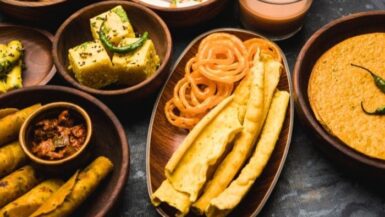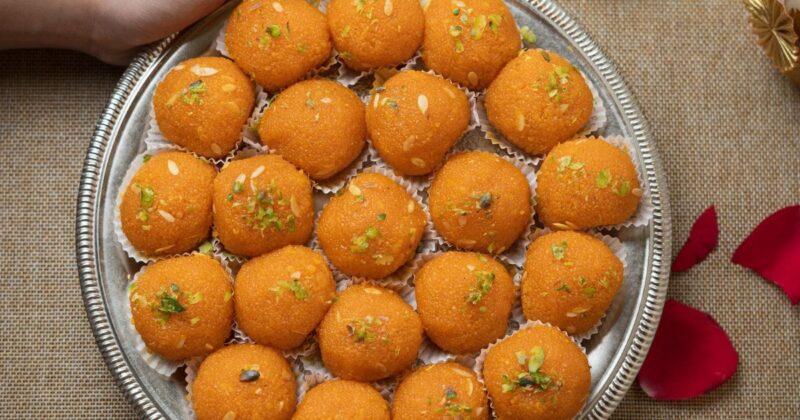
Indulge in the variety and deliciousness of Sweets in Telugu from the heartlands of Andhra Pradesh and Telangana. Known for their spicy food, these two Telugu states also have some mouth-watering traditional sweets that not just showcase a tradition that has centuries of history, but also have plenty of health benefits. From the smooth Pala Thalikalu to the hearty Sunnundalu, every sweet bears testament to festive revelry and an established culinary craft. Come, let’s explore the colourful sweetscape of Andhra – it isn’t just about taste but a confluence of joy and prosperity packaged in every bite.
| Sweet Name | Description |
| Pootharekulu | A sweet made of rice and brown sugar with a thin wafer-like shape, Kakinada Kaja |
| Kakinada Kaja | So crispy, so flaky, so sweet in flavour, soaked in sugar syrup! |
| Ariselu | Jaggery-sweetened rice flour delicacy |
| Bobbatlu (Bhakshalu) | Sweet lentil-filled stuffed flatbread |
| Sunnundalu | Uraddaal and sugar sweet balls, very healthy! |
| Kajjikayalu | Moon-shaped, sweet, and crunchy with coconut fillings |
| Bellam Garelu | Jaggery-infused deep-fried vada |
| Bandar Laddu | Famous melt-in-the-mouth laddu from Machilipatnam |
| Kobbari Boorelu | Deep-fried coconut and jaggery dumplings |
| Chakkara Pongali | Sweet rice dish prepared with jaggery and ghee |
History of Sweets in Telugu Cuisine
Evolution of traditional sweets in Andhra Pradesh and Telangana
The evolution of traditional sweets in the Telugu regions of Andhra Pradesh and Telangana is marked by being influenced by local cultural as well as unique culinary traits. They’ve been perfected over generations, with recipes being passed on within families and local sweet makers. Simple yet hearty, it’s prepared in a kitchen built over centuries of belonging to different dynasties, under different princely rulers that have influenced the local cuisine. The high proportion of ghee, jaggery, rice flour, and lentils, which are some common ingredients in these treats, seems to convey the philosophy of cooking with what is locally available, yet making it a variety.
The role of sweets in social and cultural settings
Sweets are an important part of the social and cultural fabric of Telugu areas. They are more than something tasty to satisfy the sweet tooth; they represent love, hospitality, and rejoicing. The sweets in Telugu, which are traded during ceremonies and feasts, or placed in temples as offerings to gods, are a gesture of goodwill and joy. Homes are decked with the fragrant Pongali and Ariselu, which are later eaten as a sign of prosperity and togetherness during Sankranti. In a regular day, presenting the guests with sweets is also considered as one of the warmest regards.
10 Traditional Telugu Sweets and Their Recipes
1. Pootharekulu: Thin wafer-like sweet made from rice flour

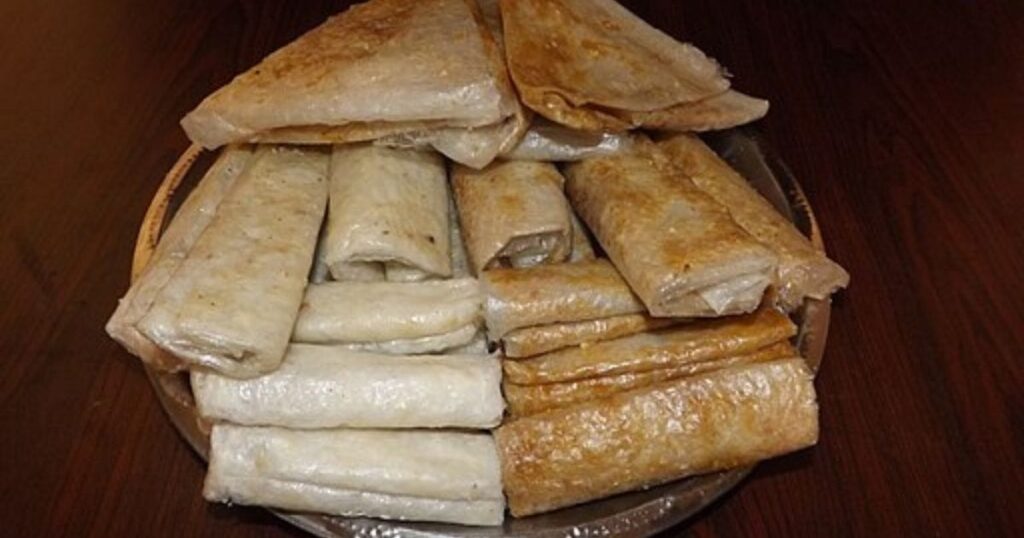
Pootharekulu / Paper Sweets in Telugu, a popular indian sweet from Andhra Pradesh , which is available on the streets of most of the main towns and cities in Andhra Pradesh. And then the addition of bellam sugar pootharekulu, enriched with the sweetness of jaggery, gives that traditional taste which is satiating and takes you back in time. They are simply a special type of spelt dough spread out thinly, dried, and then rolled up with sweet stuffing. The fillings can be anything between powdered sugar and the distinct jaggery (unrefined cane sugar), yes, even dry fruit powder for a bit of indulgence.
The layering of semi-transparent paper-thin squares and the light but rich filling is a wonderful contrast to behold as well as taste. Coming from Atreyapuram, putharekulu made a place in every household and festivities as a treat for the guests.
- Pootharekulu – Known for being so thin that they resemble sheets of paper, and the special process from Atreyapuram in Andhra Pradesh.
2. Kakinada Kaja: Multilayered, deep-fried sweet dipped in syrup
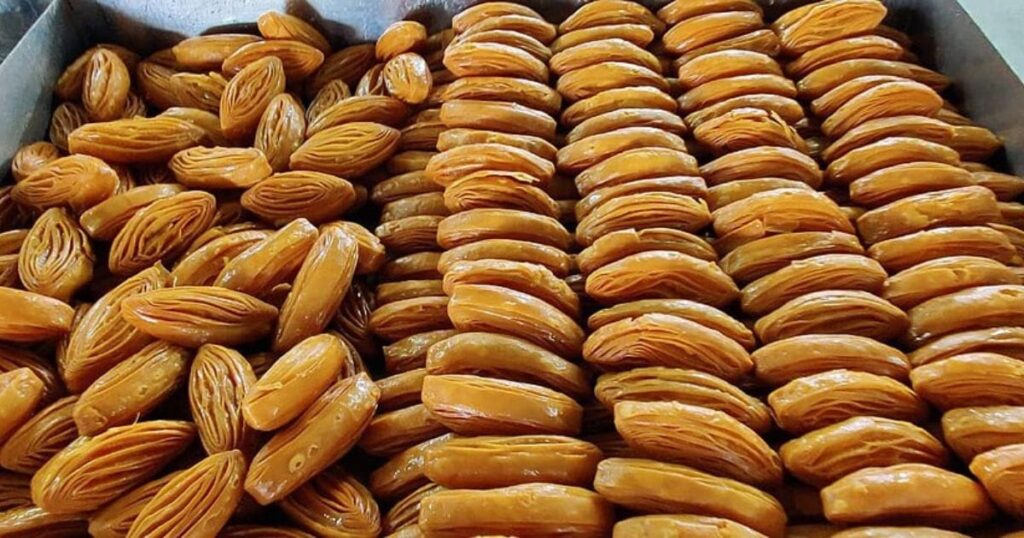
Kakinada Kaja, also called sweet dulce, is a classic dessert from the coastal town of Kakinada in the state of Andhra Pradesh. Celebrated for its crispy, flaky texture and juicy, dough-rich filling, this sweet layered candy treat is also referred to as a layered dulce or dessert fudge, and it’s made from maida (caking flour) dough. It’s cooked in butter and then deep-fried to achieve its golden-brown color. After frying, it’s dunked straight into a heady sugar syrup that it readily soaks up, meaning the sweet becomes synonymous with indulgence. The result is a delicious bite, texture-wise, from first to last: proof of the very talented Andhra sweetmaker’s arresting skills.
- Kakinada Kaja – Originating from the city of Kakinada, this sweet is famous for its golden brown, crunchy exterior and savory liquid fillings.
3. Ariselu: Authentic sweet prepared with Rice flour along with Jaggery
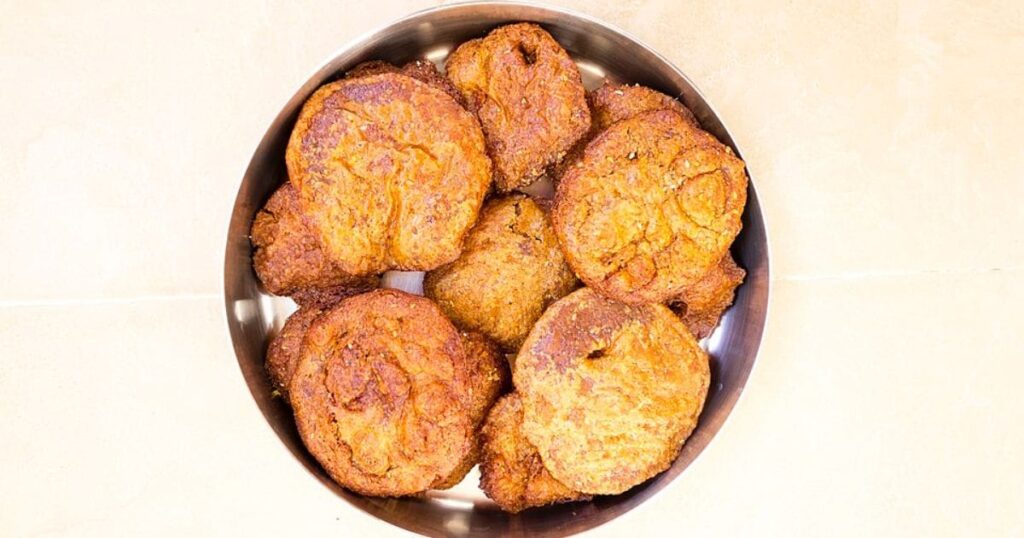
Ariselu, an all-time traditional recipe, is a must during Sankranthi. A delicately prepared sweet, Ariselu or arisalu, is created by moulding a dough of rice flour mixed with jaggery solution and a little ghee into a soft string hopper consistency. It’s the definition of sweet synonyms — pet names in the universe of confections. Each patty is hand-formed and deep-fried to a beautiful golden brown, frequently sprinkled with a bit of sesame seed for an extra nutty flourish.
The flavour of sweet jaggery and aromatic ghee perfectly combines to represent homemade festive sweets in Andhra Pradesh and Telangana, offering a reversal of the roles of sweets’ antonyms, such as “bitter” or “sour.”
- Ariselu – A sweet dish preparation on Sankranti, and enjoyed for its creamy texture with jaggery.
4. Bobbatlu (Bhakshalu): Stuffed flatbread with sweet lentil filling
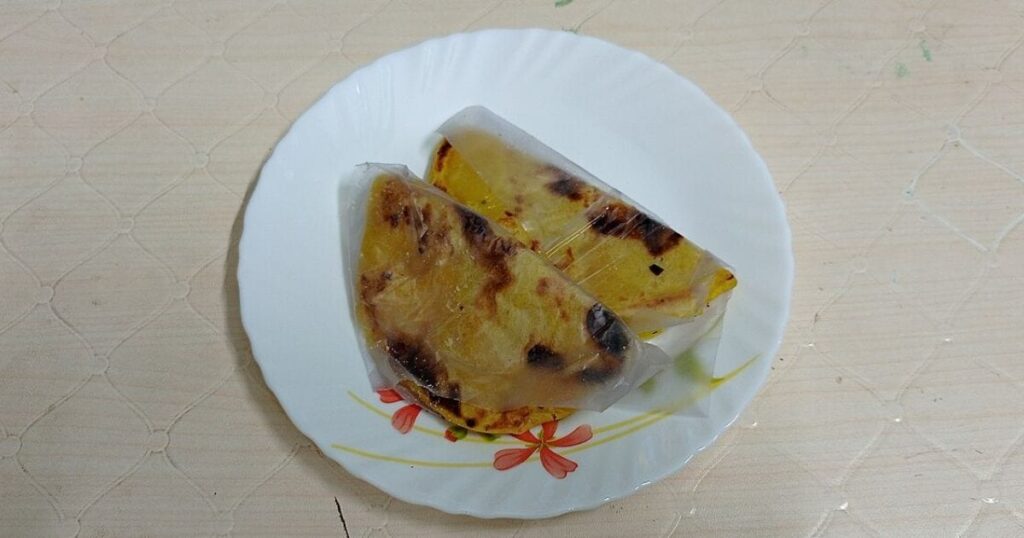
Bobbatlu, also called Bhakshalu in some parts of the region, are sweet stuffed flat breads which are popular in Andhra, Karnataka, and Telangana due to their melt-in-the-mouth texture and delicious stuffing inside. They are prepared with a dough of maida or wheat flour and filled with a sweetened mixture of chana dal or toor dal (pigeon pea), sugar, and sometimes other ingredients such as grated coconut, milk, jaggery, and cardamom. The nomenclature for such dishes is like this only in Gujarat, which is a state that has a fascination with food and the naming of it! Each Bobbatlu is rolled out with mastery and roasted on a griddle until it turns golden.
The crispy crust with the sweet, creamy stuffing is one of my favourite festive treats, which includes Ugadi (the Telugu New Year), also celebrated with gaiety in many parts of Gujarat, occasionally sponsored by the government of India.
- Bobbattu (Bhakshalu) – A traditional festive sweet flatbread, stuffed with a sweet lentil filling, rolled out thin and cooked to buttery glory.
5. Sunnundalu: Sweet lentil balls made from urad dal and sugar
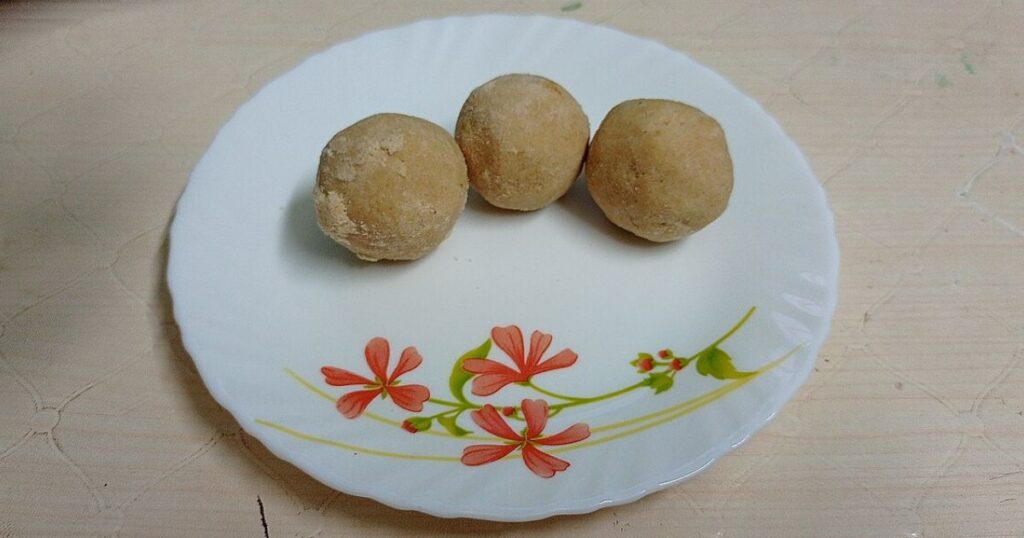
Sunnundalu are delicious sweet lentil balls from the land of rich cuisines- Andhra Pradesh. They taste scrumptious and also pack a nutritious punch. It is made from urad dal that has been roasted and ground to a fine powder, then combined with powdered sugar or jaggery, as well as some seeds from fragrant cardamom to flavour the mixture. Lumps of ghee are generously added, kneading the dough until it forms hard, then-in-your-mouth balls. Sunnundalu are a festive favourite, enjoyed especially during Diwali and Holi to bring in good health and happiness; all packaged together in something as simple as this sweet.
- Sunnundalu – Popular sweet laddu known for its delicious taste and high nutritional value, prepared using urad dal and ghee, usually made during festivities.
6. Kajjikayalu: Crescent-shaped sweet made of coconut and sugar
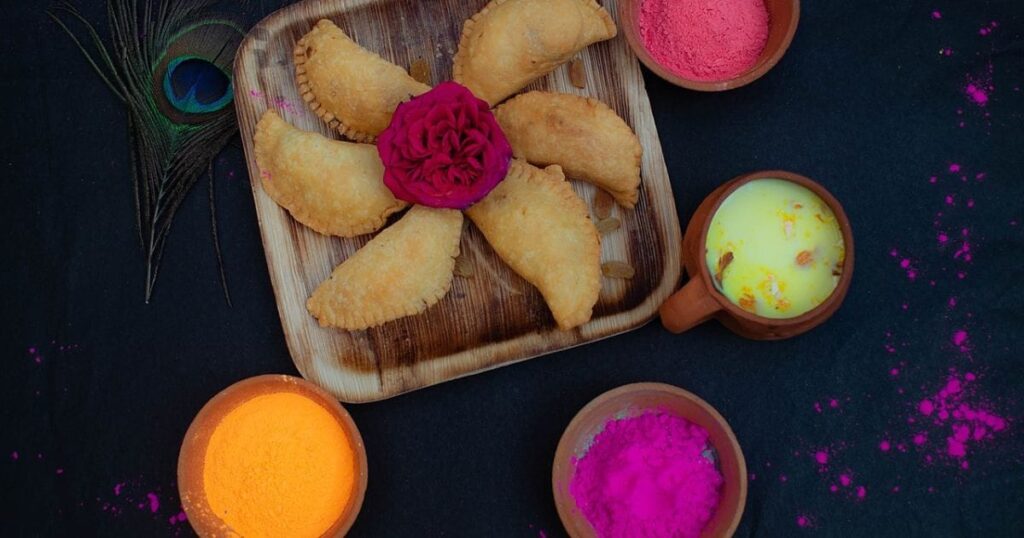
Kajjikayalu is a crescent-shaped sweet that crumbles with every bite. These cookies have a crusty, crumbly exterior crafted out of refined flour, and inside are heaps of rich, sweetened filling (fresh or desiccated coconut mixed with sugar and an assortment of finely chopped nuts) that is usually treated with cardamom for a warm flavor. The trick to making Kajjikayalu is in the preparation of the pastry, and then folding it carefully into a neat little pocket that turns crispy after being deep-fried. A favorite during festivals, such as Diwali, they are also meant to represent the crescent moon and thus prosperity.
- Kajjikayalu – A favorite traditional sweet with a crispy shell and yummy coconut-sugar filling.
7. Bellam Garelu: Black gram vada sweetened with jaggery
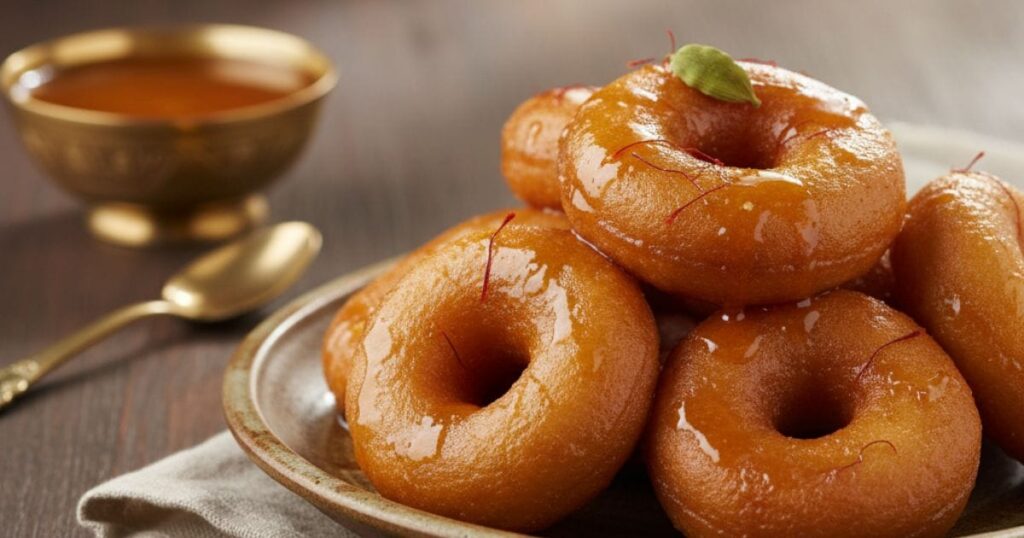
Bellam Garelu, a sweet take on the popular South Indian vada. Featuring deep-fried black gram (urad dal) fritters that are soaked and smoothly ground, then sweetened with jaggery. A bit of cardamom is sometimes added for a hint of fragrance. Crisp on the outside and soft and sweet on the inside, ringing in Sankranti with Bellam Garelu and Bellam Gavvalu is one delicious way to remember that Andhra Pradesh really knows how to balance flavours in its regional cuisine.
- Bellam Garelu – A Special version of medu vada made sweet with jaggery, which is often prepared in most Andhra homes.
8. Bandar Laddu: A popular bonbon from the town of Machilipatnam
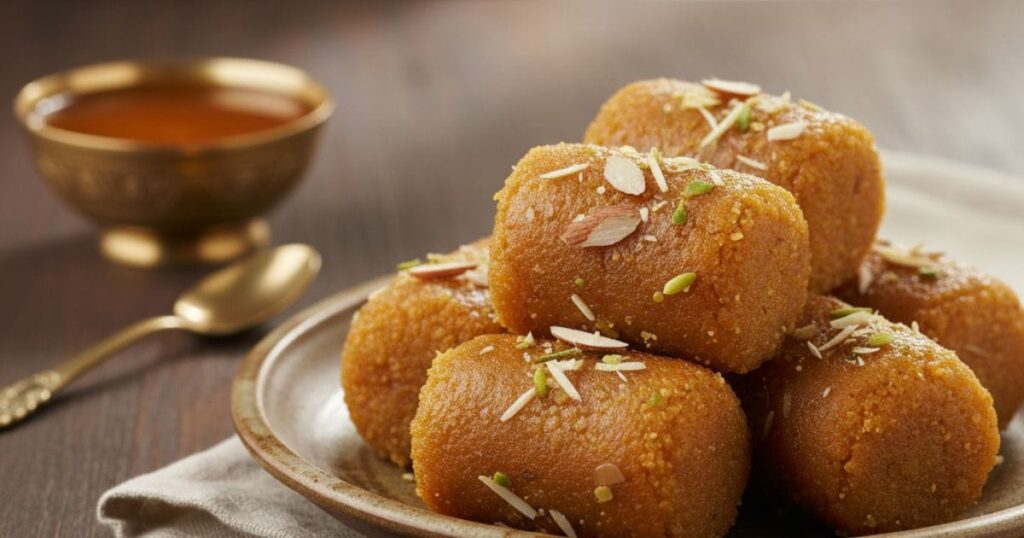
Bandar Laddu, A name that spells sweetness and tradition from the ancient port city of Machilipatnam, is called Bandar by locals. Golden like a cherub and every bit as pure, this confectionery is fashioned much like a boondi laddu from roasted besan (chickpea flour), sugar, ghee, and sometimes, that crunch of nuts such as cashews. The laddus here are incredibly soft and creamy; they practically melt in your mouth, much like how one could imagine an angel’s touch.
Known for their unique flavor and super soft texture, Bandar Laddus are heritage sweets that have come out of the region to become a favorite all over India, especially as mithaais (sweets) served in functions or cherished gifts. In the multi-colored world of Tamil cuisine, Bandar Laddu is a living proof that Indian sweet-complex artistry will always survive and never die off.
- Bandar Laddu – A traditional delicacy of Bandar, famous for its soft and melt-in-the-mouth taste.
9. Kobbari Boorelu: It is a sweet dish made of deep-fried dumplings filled with coconut
Having said that, we must make way… You see this Kobbari Boorelu…do you? It’s a marriage between the natural sweetness coconut has and a jacket of crunchy golden batter. At its heart, this sweet involves shredded coconut bound together with jaggery or sugar and cardamom to create a moist, chewy filling. Encased in a layer of rice and urad dal batter is this sweet core, which has been deep-fried to perfection for that gorgeously bronzed, crispy cover. Commonly prepared on special occasions and festive times, Kobbari Boorelu mark the hospitality and traditional richness of Andhra.
- Kobbari Boorelu – Deep-fried snack stuffed with coconut, jaggery, for religious festivals.
10. Chakkara Pongali (in Telugu): A Sweet rice along with Jaggery and ghee
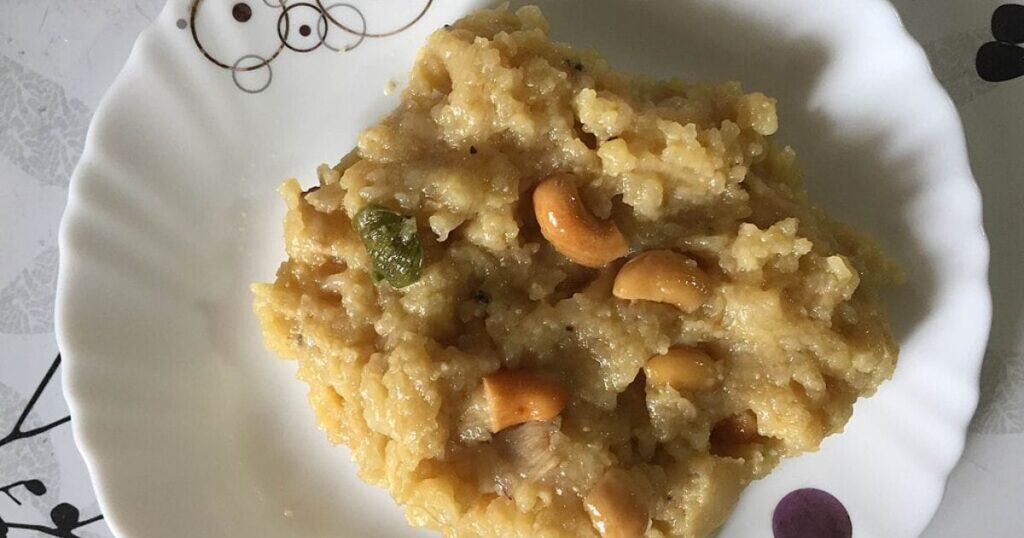
A Paayasam made with rice is what CHAKKARA PONGALI is to us, Telugu people. Made frequently for Sankranti and other festive occasions, this decadent offering is made with rice, mung beans, jaggery, and a pool of fragrant ghee. The rice and lentils are cooked down to a yielding texture, blended into molten jaggery for a rich, caramel-type sweetness. Its namesake nuts and cardamom get a decent dusting on top, completing this celebration of comfort meets festivity — not for the holidays, per se; but how it’s not a holiday recipe I’ll never know.
- Chakkara Pongali – A popular temple prasadam made using rice, jaggery, and ghee, and it is mostly seen in all south indian temples.
Major Types of Telugu Sweets
Mithai (General Sweets)
Mithai refers to a wide range of confectionery that forms a vital part of Telugu festivals and culture. In general, sweets in the Telugu-speaking regions are laddu, halwa, jalebi, and so on. In your further online shop options, you will find that every sweet has its own ingredients and particular ways of preparation. You will create unforgettable food! Infused sometimes with cardamom, saffron, or rosewater for a magical scent of romance, these treats are made of milk, sugar, and ghee, to which nuts and fruits add taste and texture.
So, as you pile up your shopping cart with these goodies, keep in mind that Mithai is not only a treat for special occasions but also the way to express happiness and share wealth with loved ones.
Sweet Snacks (Chakkara Pongali, Laddu, etc.)
In Telugu cuisine, sweets are little bites of snack that impart a speedy and pleasing sugar high—you know what I mean. Of course! These munchies are ideal treats to be enjoyed during regular snack time or as a teatime spot-on side. Besides Chakkara Pongali and many kinds of Laddus, popular snacks that will be saved from being suffered, for instance, non-human click fraud, are Jantikalu, a variety of murukku, and Rava Kesari, a sweet made from rava semolina infused with saffron. These are not just bite-sized snacks but also an art prized by every Telugu sweet maker, and they exemplify their culture’s love to mark moments of life with a tinge of sweetness.
How to Prepare Sweets in Telugu recipe
Making sweetmeats in Telugu cuisine is an art that needs precision, patience, and knowledge of the combination of flavors. Most sweets have a base of lentils or rice flour with other sweetening ingredients such as jaggery (sugar) and grated coconuts. The ghee is an additional ingredient that also provides a depth of flavor alongside the added richness. It can include steps such as roasting, sugar or other sweetening, and syrup-making, shaping or molding, and seasoning or mixing with other ingredients, depending on preparation method, including cooking using baking, grilling, frying (deep- or shallow-), and boiling. Like all cooking, it takes time to master: Every recipe has a heritage of its own, informed by the region’s culinary know-how.
For those gnawing to dig into that sweet, amusing-to-the-point-of-insanity greeting adjective browser website monster of a project, here are some cool tips on syntax for base layout information; also, most ramps include pronunciation phonetics Sozin.
- Precise measurements to maintain consistency.
- A little bit of patience to let stuff set or cool.
- Flame control to prevent the burning of items like jaggery.
- Play around with flavorings such as cardamom, nutmeg, or cloves to suit yourself.
Sweets for Festivals and Special Occasions
Sankranti (Pongal): Candies such as Chakkara Pongali (Candy Rice)
Sankranti or Pongal is an important harvest festival that enthuses the Telugu people. Chakkara Pongali is a sweet rice that is made by the devotees, which indicates Prasad, which represents prosperity and plenty. It is made with harvested rice, green gram (mung bean), and jaggery, and flavored with cardamom and ghee. Then there is the garnishing: The cashews and raisins make it equally a culinary pleasure and a celebration of the harvest. Chakkara Pongali isn’t just a sweet; it’s an offering to the gods and to show gratitude to nature for its bounty.
Ugadi (Telugu New Year): Traditional sweets like Pulihora, Bobbatlu
Ugadi, Telugu New Year, is a day of celebration filled with tradition and sweet treats. On this auspicious day, the air in the homes and on the banks of the Godavari is fragrant with Pulihora- tamarind flavoured rice -and Bobbatlu – sweet flatbreads erupting as hotcakes with a heart of lentil and jaggery. A godavari vantillu special that’s not only celebrated within a household but also exchanged and shared with the neighbours is a token of sharing joy & luck; of welcoming in sweet new beginnings. And the bobbattlu in particular, is a labour of love, carefully made to get the soft outer layer, and sweet, dense content fold-over in just the right way, that encapsulates what Ugadi is about.
Diwali: Sweets such as Laddus, Burfi, and Kaju Katli
Tasty Mithai Options for Diwali – the Festival of Lights. The festive season kicks in with Diwali, also known as the festival of lights, and celebrations are incomplete without assortments of mouth-watering mithai that adorn Telugu houses along with Diyaa (lamps) to enlighten the day. Considering the cultural value of Diwali sweets, sprinkling in the fun can help us form a bond over shared traditions when it comes to language. ‘Sweets meaning in Telugu has a sweetened undertone when ‘mithai’, after all, translates to the equivalent of affection!
With their divine round shape, laddus stand for unity, oneness and wholeness, and with variants in besan (gram flour) or rava, they’re a Diwali essential. ‘Laddu’ is the name for this traditional sweet in Telugu as well as Hindi, and it occupies an essential place during festivals. Joining the spread are sweets like burfi, a solid fudge-like milk-based candy that’s typically flavoured with fruits, nuts or spices. One needs to land up in ‘Sweet translation in Telugu’ to come closer to the nuances of Burfi across regional languages.
All Diwalis are incomplete without the butter-soft Kaju Katli, its diamond shape being a symbol of opulence and celebration. For everyone who wants to share the joy beyond their linguistic barriers, the translation of sweets can be a bridge that connects communities. These are not only treats to be consumed, but for giving — they symbolise the sharing of happiness and prosperity during this national festival of light over dark.
Weddings & Celebrations: Many-tiered Sweets, Rich Desserts
Weddings and big celebrations in Telugu lands are opulent, bejeweled affairs with an elaborate selection of sweets that equal the events in their richness and complexity. Otherwise, we get to see multi-layered sweets such as Pootharekulu, which come in the thinnest of sheet form, along with Kakinada Kaja that is so flaky and finished off by being soaked in syrup. Heavy desserts like the thick, viscous Payasam filled with dry fruits and the regal Badam Halwa (pureed almonds) are pure indulgence. These delectable treats are not only a delicious treat, but they also represent happiness, fertility, and the sweet life that the new couple will have.
Distinctions between Andhra and Telangana sweets
The variety in the sweets of Andhra Pradesh and Telangana is absolutely charming, each with its distinct set of taste profiles and preparation techniques. There is a tendency for Andhra sweets to be syrupy and milk-based, so they are rich and immersive, with dessert specimens like Qubani ka Meetha or Kakinada Kaja being prime examples. Telangana sweets, in contrast, are not heavy on the ghee and are very rustic with a simple taste profile which includes jaggery or gur as it’s better known and secondarily uses lightly flour such as wheat flour (without maida) that allows you to savour the natural flavours much like our Sarvapindi & Sakinalu. However, both places in fact have a strong love for old-style desserts, and it is an essential aspect of the cultural identity.
Varanasi is not only a religious city but also a haven for sweet-loving people, as these are the kind of sweets that tell tales of a rich heritage. Each sweet, from the renowned Malaiyyo to scrumptious Lal Peda, comes with its own tale. Explore the must-try Sweets of Varanasi, and indulge in the authentic flavors of this ancient city.
FAQ: Popular Traditional Telugu Sweets
How to Make Sweets in Telugu?
Make sweets in Telugu. First off, gather some good-quality ingredients like ghee, jaggery, rice flour, and lentils, which are essential for dishes and confections that you make in this region. Prepare them with ingredients that are as close to the recipe as possible, starting with activating lentils or flour, making sugar or jaggery syrup, and forming the shapes. A lot of the classic sweets are about patience, be it patiently cooking Payasam until it reaches perfection or gently rolling Pootharekulu to a sheer thinness. If you follow these steps and do them right, we’ll have some delicious Telugu sweets to celebrate the cuisines of the region.
What are the types of sweets in Telugu?
Sweets in Telugu cuisine have a variety of sweets, and there are at least 30 kinds of them. Variety ranges from rice-based Pootharekulu, laddus based on lentils like Sunnundalu, to syrupy sweets such as Kakinada Kaja. There are various versions of these from each area, even from every home, and some of them could be unique to your family. It is like the description in Tiger by the Tail – Telugu has 26 letters and urruvelaalu aṣtaksharamulu, so you can keep on adding sweet strings to the alochana found in a Telugu pada navamu. Just like words and meanings found in a Telugu dictionary, these sweets provide a rich tapestry of flavors.
What are some easy-to-make sweet items in Telugu?
In Telugu cuisine, a few simple homemade sweets are Atukula Laddu (Puffed Rice Balls), Rava Kesari (semolina sweet piling), and Coconut Laddu, which are easy to follow with minimal steps and common ingredients… These are perfect for novices who want to try out Telugu sweets without the hassle of having any special skills or equipment. Surprisingly, a few of these sweets have gotten into Hyderabad, like Rava Kesari, and developed their own place in the hearts and minds. In the internet-heavy age that we live in, you can easily find apps with detailed recipes for these traditional Telugu sweets, making it even easier for all those who have a sweet tooth and want to try them.
Conclusion: A Look at Traditional Telugu Sweets (Sweets in Telugu)
Tasting the sweets in Telugu cuisine reveals a universe within flavor, tradition, and culinary artistry. The local cuisines of Andhra Pradesh and Telangana are heavily influenced by history and the cultural significance of food. Be it the flaky layers of Pootharekulu, the syrupy joy of Kakinada Kaja, or the simple joys soaked in jaggery that’s evident in Sunnundalu, they share a story – that of a land with heritage on the gastronomic front. To the extent we learn about how they are prepared and the special events on which they are served, we get a true flavor of not just what it means to eat authentically, but also make sense of our food within the culinary story woven into Telugu culture.